We are celebrating 15 years — and counting — of stories that are deeply researched and deeply felt, that build a historical record of what the city has been.
We are celebrating 15 years — and counting — of stories that are deeply researched and deeply felt, that build a historical record of what the city has been.

What if we’ve been looking for safety in all the wrong places? Traditionally, police departments (and their ballooning budgets) have seen interventions at the root of violence as nice-to-have “alternatives,” soft answers to hard problems. But a growing body of evidence suggests that the physical environments in which crimes occur are a primary source of unsafety — and when it comes to crime prevention, environmental improvements can be more than the sum of their parts. What if the key to safety is simply giving people what they say they need to feel safe? Dollars not for subway cops and souped-up armored vehicles, but for better lighting, new parks and playgrounds, and long-overdue repairs?
The de Blasio-era Mayor’s Action Plan for Neighborhood Safety (MAP) took on stubbornly high crime rates and perceptions of unsafety across 15 NYCHA complexes as social phenomena requiring social responses. Standing the logic of data-driven policing on its head, teams of residents surveyed conditions and tracked trends to shape environmental interventions. Projects’ outlines were often taken from the complaints and service requests that residents had already been lodging for years. Today, completed works stand testament to how “collective efficacy” makes safer spaces, and residents’ new civic capacities — skills and venues for identifying problems, designing solutions, stewarding deliverables, and demanding accountability from city agencies — are just as lasting as new physical infrastructure. But after a swing back toward the theater of “law and order” under the last mayor, and a desire for something different crystallizing in the new administration’s promised “Department of Community Safety,” MAP’s lessons risk being lost in the shuffle. Here, Tamara Greenfield and Layman Lee, who have both had hands in the program since the beginning, reflect on ten years of MAP and how the City can protect and grow community safety: step one, listen. – OS
Only because Jeannette Salcedo is a true New Yorker is she allowed to voice her love-hate relationship with Castle Hill Houses. This Bronx-born Latina has dedicated her life to helping people and creating intentional spaces that foster community joy. Since moving to Castle Hill, Salcedo has found meaningful work as a dispatcher for Access-A-Ride, then as a New York City Housing Authority (NYCHA) caretaker, and later as the youngest serving resident association president. But for all Jeannette’s stewardship of her community, her neighbors’ outlook on their shared environment remained negative.
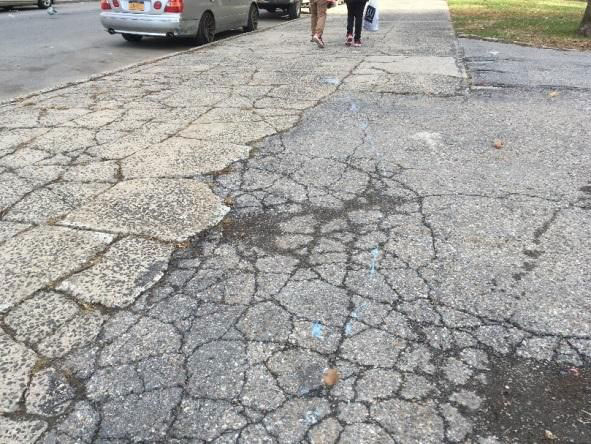
Longtime Castle Hill Houses residents recall cherished memories of growing up among the sprawling lawns and tall trees that surround the 14 classic “towers in the park” across a roughly 40-acre campus. But residents have also long faced many of the problems that plague other NYCHA complexes. In 2014, nearly one out of every five Castle Hill households with children under the age of 18 was headed by a single parent, and the median household income for residents was $16,083. Although the neighborhood is charming, many residents feel a sense of isolation, as the nearest train station is a 30-minute bus ride or a 30-minute walk away. (A recent ferry extension compensates inadequately.) Castle Hill Houses residents have experienced frequent interruptions to heat and hot water, trash build-up, pest infestation, cracked and uneven pavement, elevators in need of repair, mold, and flooding. The cumulative effect can be dispiriting, to say the least. “We lose ourselves in believing we don’t deserve things,” Salcedo reflects. It was frustrating. But when Salcedo met Luis Rosa in 2017, she found a kindred spirit — and a new avenue to create change.
Rosa, a fellow Bronx native, was often seen around Castle Hill working on safety, lighting, and beautification efforts. He had “ a lot of energy for community,” Salcedo says — that’s what drew her in. The two met when Rosa was the Castle Hill Houses Mayor’s Action Plan for Neighborhood Safety (MAP) Engagement Coordinator, or MEC. His enthusiasm for getting residents involved in tackling difficult problems — his insistence that their voices had power, and that they needed to be included in decision-making — was so infectious that Salcedo joined the MAP stakeholder team.
Since 2014, MAP has put forward a comprehensive neighborhood-based strategy, developed by the Mayor’s Office of Criminal Justice (MOCJ) under former Mayor Bill de Blasio, to increase safety through coordinated crime reduction efforts at NYCHA developments across New York City. MECs like Luis Rosa are organizers hired by neighborhood implementation partners, and function as community liaisons, facilitating teams of residents, city agencies, and community organizations that meet routinely to identify public safety concerns and implement collaborative solutions.
MAP works by breaking seemingly insurmountable conditions into individual, solvable problems in the shared environment. At Castle Hill Houses, one building exemplified the challenges facing the community as a whole: 530 Olmstead Avenue, ominously (if enigmatically) referred to as the “Boot” building, had become a notorious hotspot for purchasing illicit drugs at any time of the day or night, and many Castle Hill residents felt unsafe and apprehensive in the area. At the onset of MAP, residents reported that Castle Hill youth experienced gun violence, violent crime, and gang activity around 530 Olmstead on an almost daily basis.
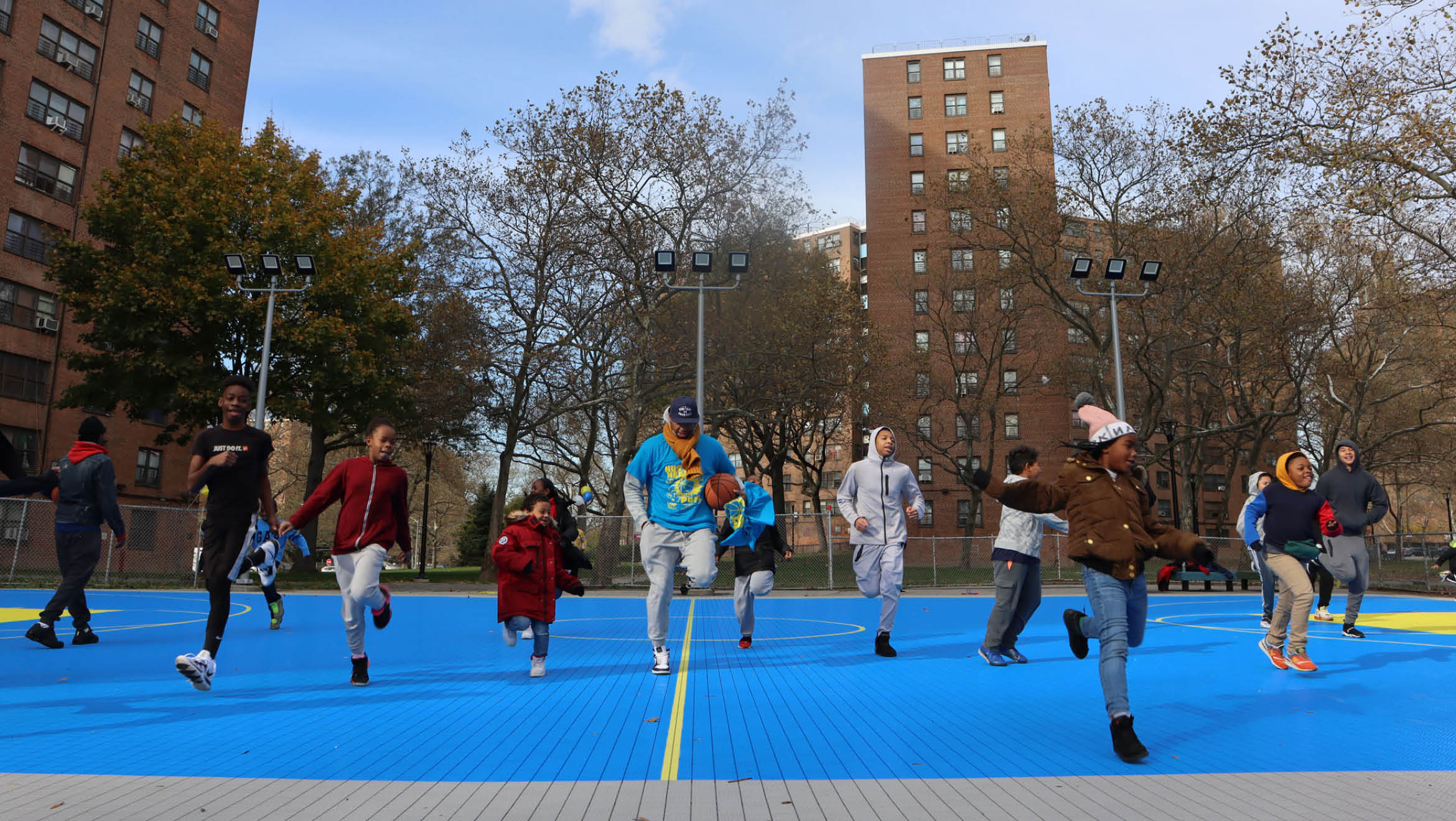
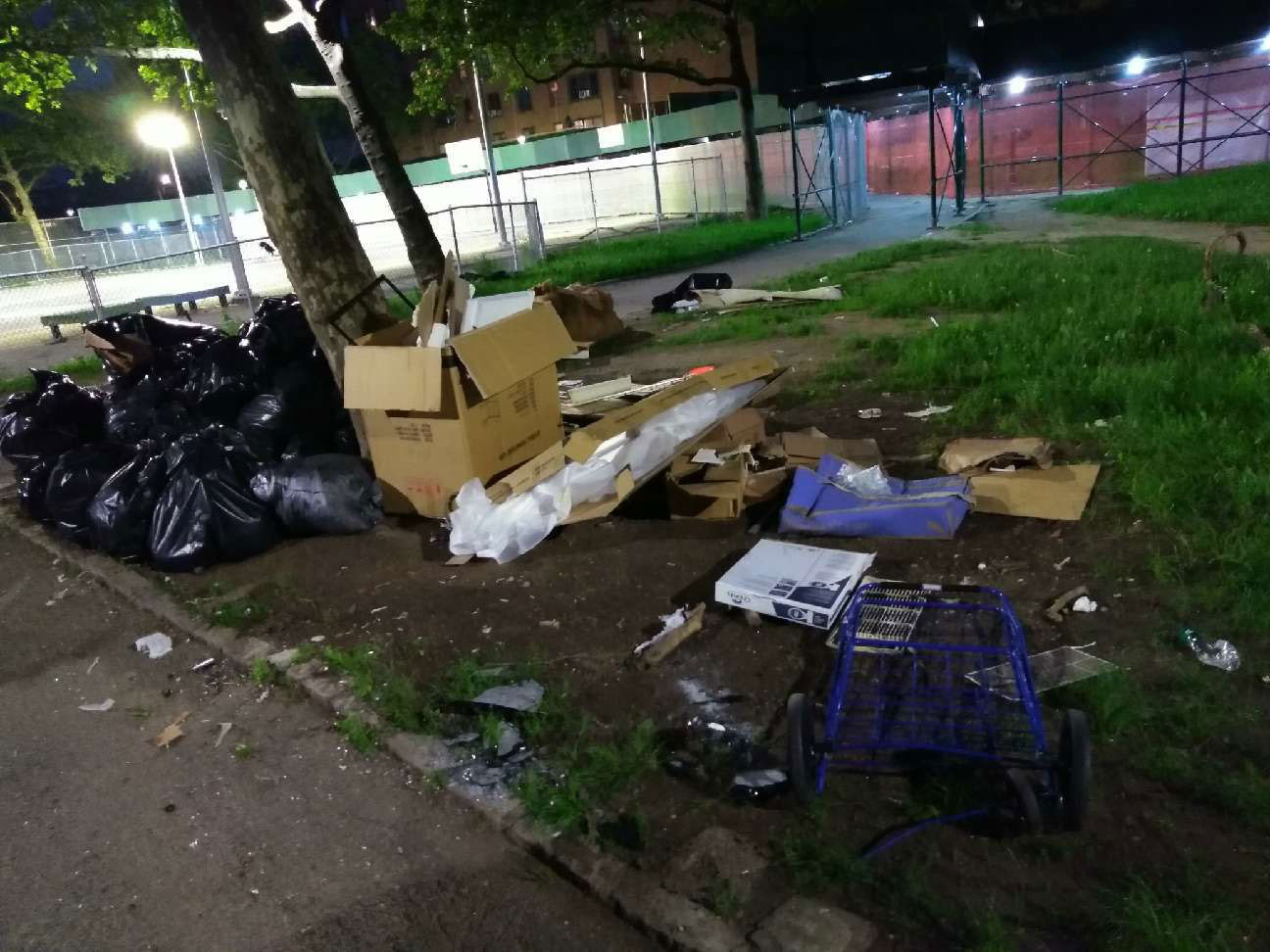
The Castle Hill MAP stakeholder team worked to identify an intervention that could make a meaningful difference at 530 Olmstead. The basketball courts behind the “Boot” building were underutilized due to large cracks in the asphalt, fading paint, and dirt-stained, crooked backboards. Adjacent to the courts was an uncontained bulk garbage drop-off site, and cars often drove through the courts at night. Salcedo, Rosa, and the stakeholder team developed a vision to reclaim the basketball courts, aiming to provide residents with a renewed sense of safety, community, and pride in their neighborhood.
In the spring of 2019, with a pot of $50,000 provided by MAP, the team embarked on long-needed repairs: fixing cracks, asphalt resurfacing, adding a modular sport court flooring surface, installing new fiberglass backboards, placing benches, and introducing new trash cans. The park, formerly referred to as “Boot Side,” is now recognized as “Unity Park” on new signage — an aspirational designation for a space where residents can play, socialize, and feel secure. After the renovation, the stakeholder team also hosted health-focused activities at the park to ensure it was being utilized by residents of all ages. Today, Unity Park’s blue and yellow courts can be seen on Google maps, and the court is in use almost all the time. Garbage no longer piles up against a 20-foot fence.
For Jeannette Salcedo, direct involvement and the promise of immediate results was the appeal of joining the Castle Hill MAP stakeholder team. Other interventions delivered by the city seemed excessively top-down in their decision-making approach — it was “never about what we want or what’s best for us,” Salcedo says. The MAP initiative changed that for her. In 2022, with support from her community, Salcedo applied to become the MAP Engagement Coordinator for Castle Hill Houses. In her new leadership position, Jeannette keeps community at the center of all decisions about how to improve life at Castle Hill.
How does the renovation and activation of a basketball court improve community safety? It’s a curious proposition. For decades, public safety policy and practices have reflected an assumption that preventing crime requires increasing numbers of police and contact between police and communities where crimes occur. In New York City, this has meant heavily policing neighborhoods, especially public housing developments, where crime rates remained stubbornly high.
But research increasingly indicates that community safety comes from putting resources toward physical and mental health services, economic stability, education, youth development, and improving housing conditions and public spaces — rather than channeling public dollars to policing and incarceration. Improvements in the built environment, oftentimes simply addressing needs residents have been naming for years, can create fewer opportunities for crime to occur. Greener, cleaner, and better-utilized public spaces can not only reduce crime and stress, but also foster the social connections that help prevent personal crises from spiraling into public safety concerns.
Empowering communities to direct investments where they see the greatest need is, in itself, an important part of the public safety equation. Studies show that “collective efficacy”— the ability of communities to work together — can significantly lower crime rates. The social ownership of spaces by residents in their neighborhoods is essential to ensuring the safety and effective utilization of these areas, while also driving stewardship and operational sustainability. A recent report by Gehl and the Knight Foundation found that community-driven design of public spaces promoted higher rates of attachment and trust among communities of color. The Mayor’s Action Plan grew out of a philosophical shift: away from relying on policing to solve crime and toward centering communities and interagency collaboration to improve public safety.
In 2014, Mayor Bill De Blasio was elected after campaigning on a promise to confront the “tale of two cities.” The interests of the elite had for too long taken precedence over the needs of everyday New Yorkers, De Blasio declared, as he vowed to deliver a city government informed by the experiences and perspectives of Black and brown communities that had been disproportionately impacted by racist policies and disinvestment. That July, MAP was established under the Mayor’s Office of Criminal Justice, directed by Liz Glazer.
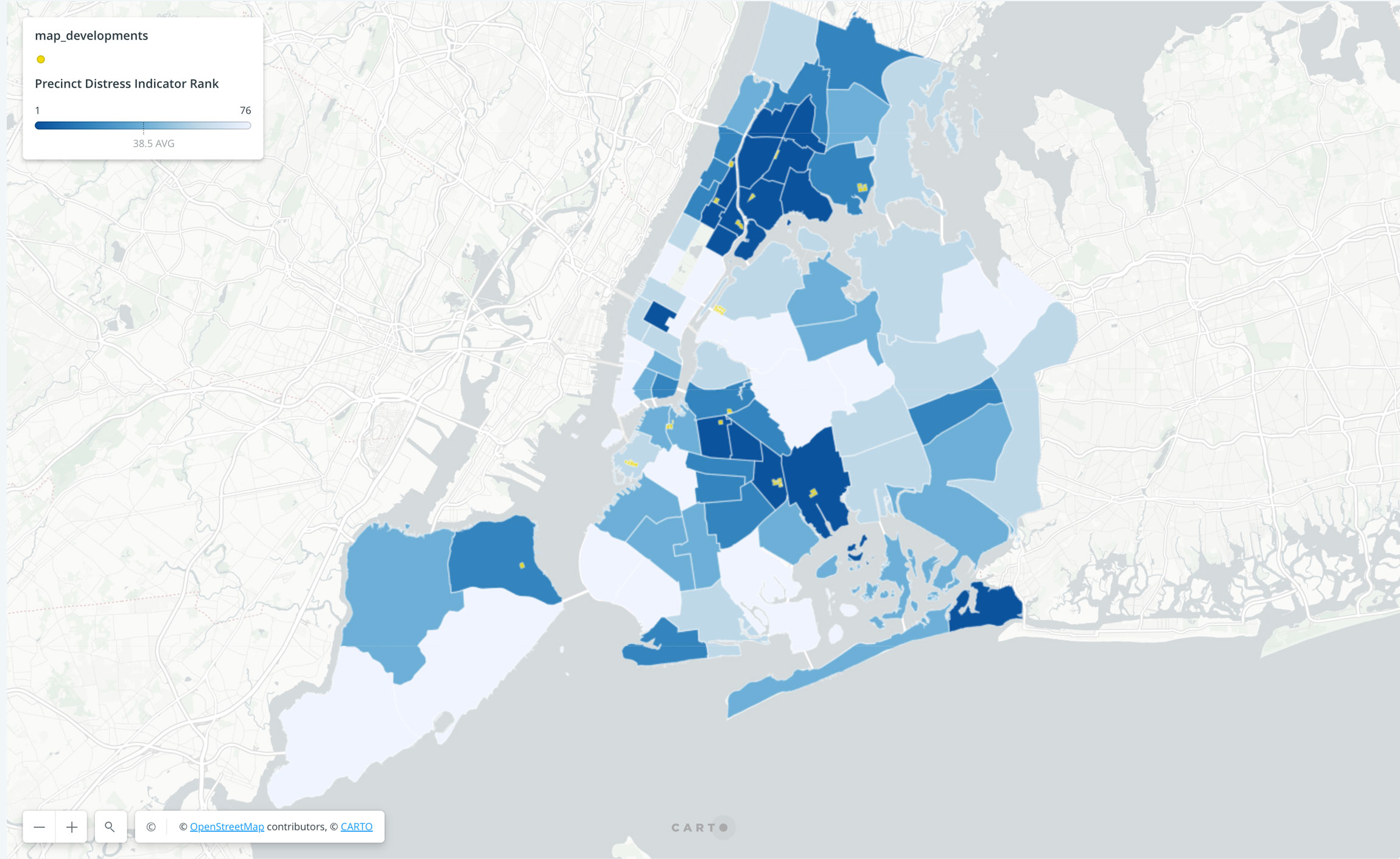
MOCJ and MAP put forward a vision of safety built upon collaboration between communities and government, rather than law enforcement alone, especially where violence was concentrated and where trust in policing had been strained. Stop-and-frisk was an early target for reform: During the first few years of De Blasio’s mayoralty, the official number of stops shrank to 11,000 annually from nearly 700,000 at the height of the previous administration. At the same time, murder and shooting rates plummeted, and other serious crime rates dropped significantly. But reducing crime remained an important focus, in the lives of many residents and in MOCJ’s strategic approach. MAP initially identified 15 housing developments city-wide that made up less than five percent of the City’s public housing stock but still contributed almost 20 percent of the city’s violent crime. The promise of MAP is that intelligent crime-fighting and community-centered decision-making in places like these need not be mutually exclusive. But MAP flipped the old “data-driven policing” paradigm upside down.
At the core of MAP is NeighborhoodStat (NSTAT), a process that brings together stakeholder teams of neighbors, community organizations, and city agencies to identify key issues underlying crime and collaboratively plan to address residents’ priorities. Modeled on CompStat, an NYPD system of analysis and planning closely associated with the Broken Windows policing strategies of the 1990s, NSTAT mobilizes real-time data to identify geographic focus areas and allocate resources. But NSTAT expanded the table beyond the NYPD brass typically represented at CompStat convenings. At NSTAT meetings, residents, city agencies, and community organizations are invited to put forward issues extending beyond policing to include physical disorder, service gaps, and unmet programming needs. And NSTAT also expands the field of analysis beyond crime data to include metrics like public benefit enrollment, Summer Youth Employment participation, domestic violence rates, health data, and NYCHA reports on broken doors and repair needs.
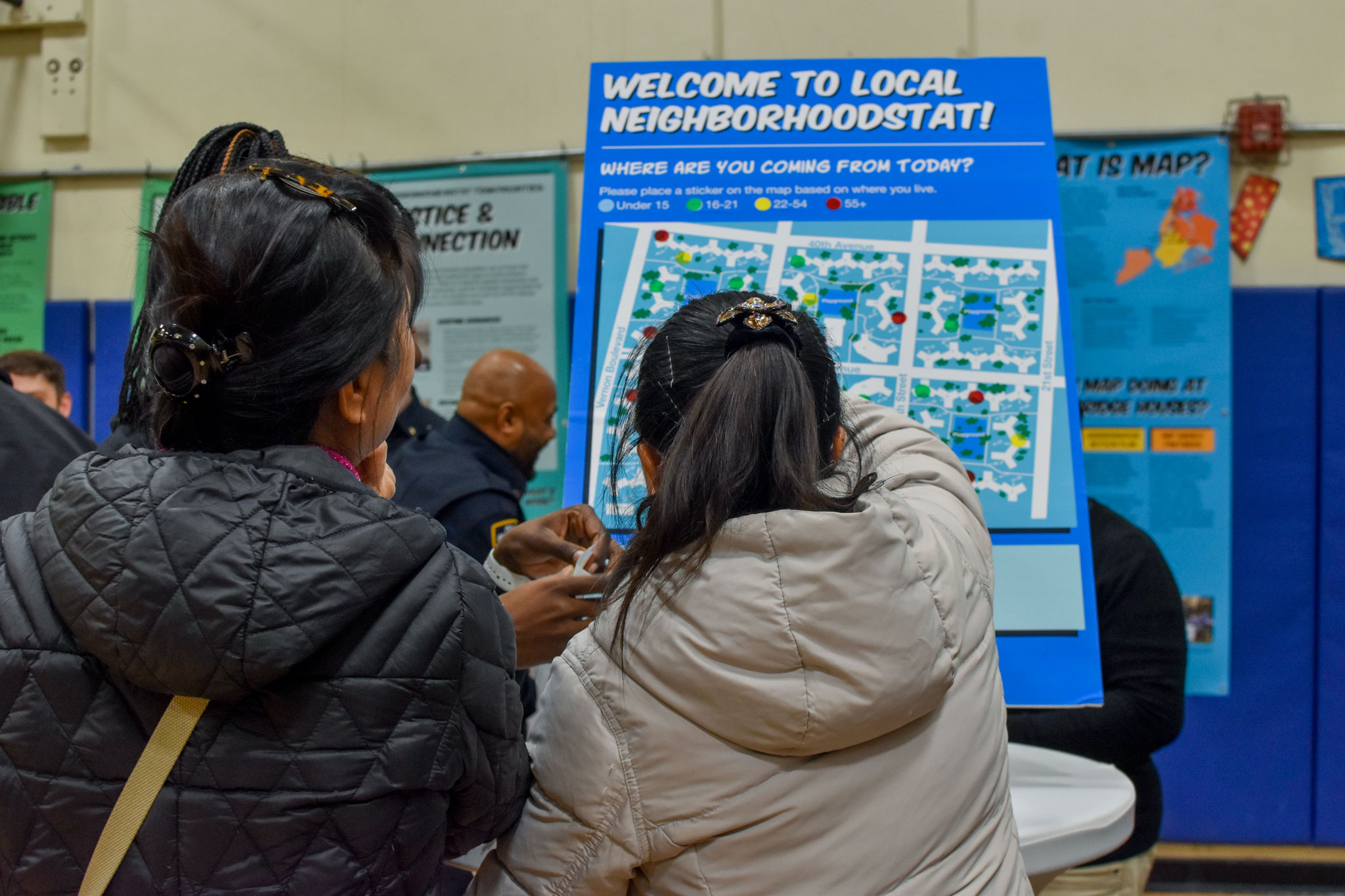
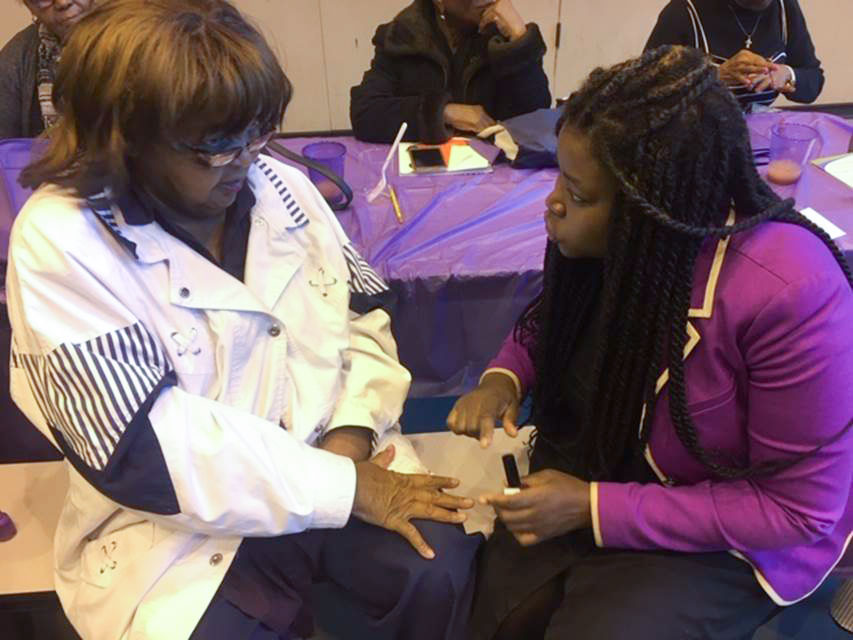
Rather than replicate CompStat’s formal weekly meetings at One Police Plaza, NSTAT meetings are held at neutral venues throughout the city and organized as circular discussions to put everyone on equal footing. In the neighborhoods, rather than police officers patrolling beats, Engagement Coordinators engage resident stakeholder teams to gather data, which is fed into a MAP Dashboard that reports trends across all participating NYCHA developments. Teams ideally comprise nine adults, three youth, and three seniors from every development; they meet several times a month. These residents go on to engage their neighbors in annual Local NeighborhoodStats (Local NSTAT) to share priorities and ideas around improving physical space, health and wellbeing, youth development, economic stability, and safety and justice.
The range of responses that can come out of NSTAT planning is much wider as well— and they are responses residents might otherwise struggle to get from their public agencies. Many New York City neighborhoods, especially outside Manhattan, lack the civic infrastructure to partner effectively with the government. NSTAT helps fill the gap by providing structure, ensuring sustained attention, centering resident priorities, and requiring agencies to address long-standing service failures. Relying only on policing to solve community problems, as former Executive Director of MAP Renita Francois has written, “lets other agencies off the hook.” NSTAT gives neighborhoods the civic muscle to demand better — and makes the City responsible for delivering it.
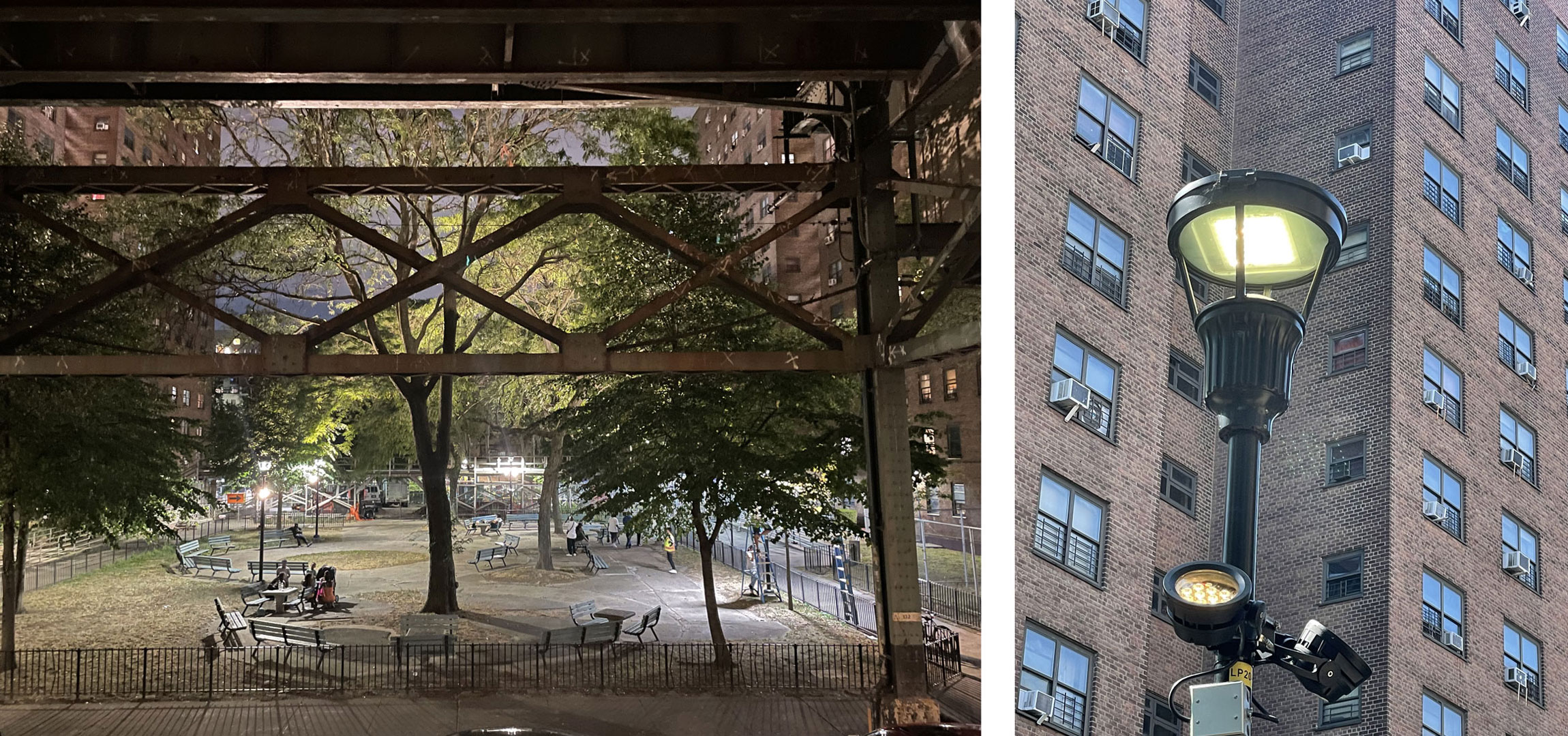
Agency accountability is key, but from start to finish and into the future, residents remain at the center of the MAP model. Residents collect data through surveys to gain a deeper understanding of the issues, conducting asset maps and safety audits at night and logging existing physical conditions such as poor lighting or signage, areas with excessive garbage, or poor sightlines that prevent visibility. Teams investigate potential activations that increase foot traffic and introduce new activities, thereby changing unwanted behaviors in public common spaces. Creative lighting and safe evening activities, often with a youth focus, tackle the challenge of dark, empty streets, locked parks, and high crime rates at night.
Beginning in 2021, Local NSTAT added a participatory budgeting component, allowing residents to vote on how to spend $30,000 for their annual action plans. That year, NSTAT teams had engaged more than 9,300 residents — over 18 percent of the population across the 15 NYCHA developments. While $30,000 is a small amount relative to NYCHA’s capital and maintenance needs, these resident-driven projects deliver visible “quick wins” that show community ideas taking shape and help build long-term capacity, confidence, and trust. Ideas generated and priorities set at Local NSTAT can also influence long-term policy change. Residents and MAP partners bring locally identified needs to Central NeighborhoodStat (Central NSTAT), where shared issues across developments are identified, and city leaders can be pushed to consider more systemic responses. Since 2019, NSTAT teams have successfully executed over 50 built environment and programmatic place-based action plan projects.
Unlike other place-based interventions that parachute in and leave communities without support, MAP makes a point to build the capacity of residents to maintain neighborhood change in the long term. Neighborhood Safety Initiatives (NSI), a project of the Center for Justice Innovation, and the lead implementation partner of NSTAT since 2017, trains residents in placekeeping concepts and organizing, translates community desires for change into collective scopes of work, connects residents to designers, works with NYCHA to develop construction documents, and provides oversight for project implementation. With their support, numerous teams have renovated basketball courts and playgrounds, and revitalized abandoned spaces through murals, plantings, and signage. NYCHA and resident stewards maintain physical space projects after the projects are built. Since 2021, both MAP and NSTAT are baselined into the New York City Council budget, guaranteeing future funding for the resident-led problem-solving mechanism. By 2022, the initiative had expanded from 15 to 30 NYCHA developments city-wide.
Despite decreasing crime rates citywide, in Mott Haven, drug hospitalization rates in 2014 were more than double the rates in New York City at large. Open-air drug use and discarded syringes in Patterson Houses created a feeling of unsafety. Residents observed drug use in building stairways and on building rooftops, found human excrement in these spaces, and reported syringes being thrown from the building rooftops into the green spaces below. The Parks Department, responsible for emptying receptacles and counting discarded syringes on a weekly basis, collected an additional 4,800 syringes from the grounds of Patterson Playground adjacent to the development between May and October 2018.
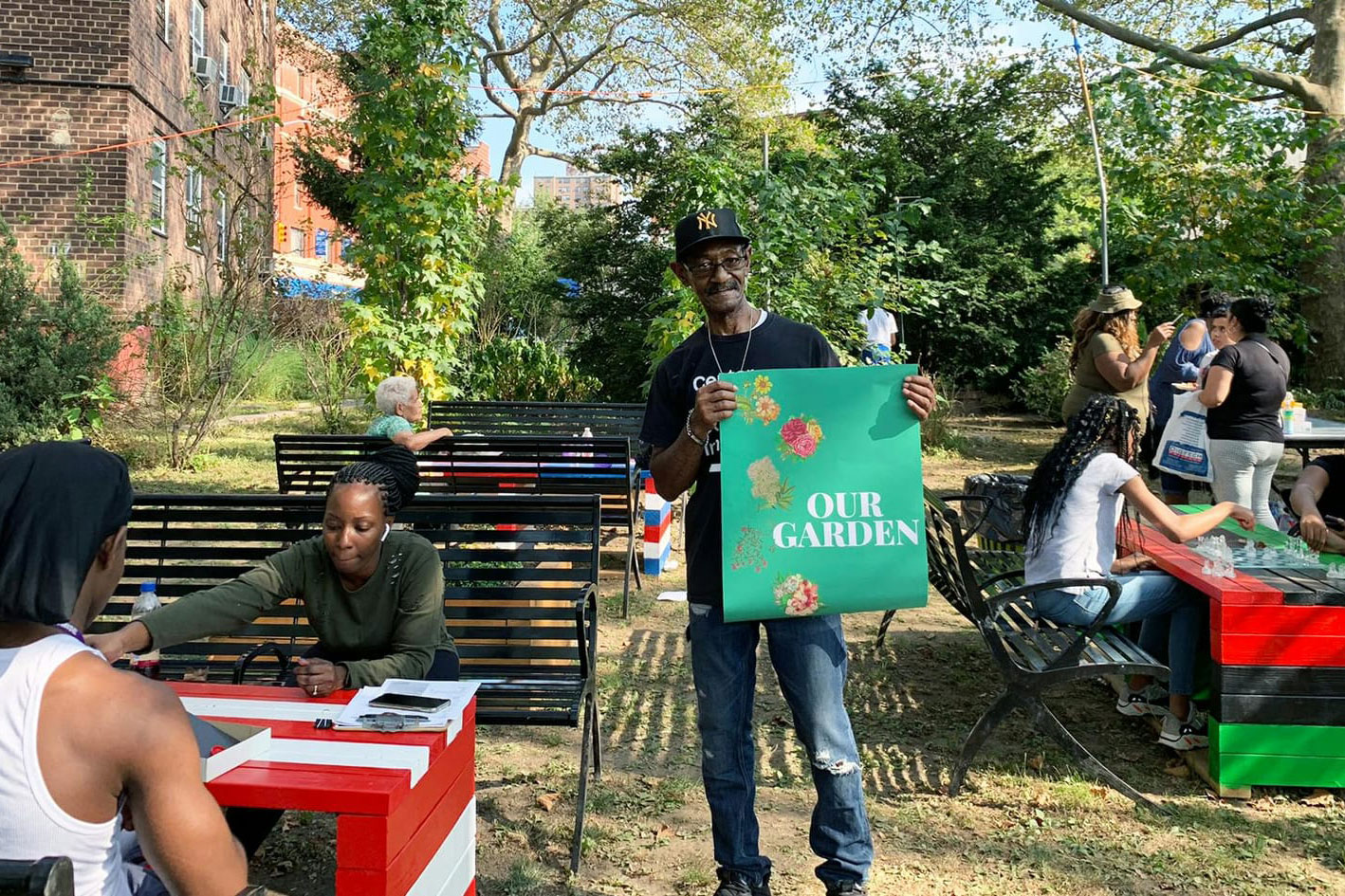
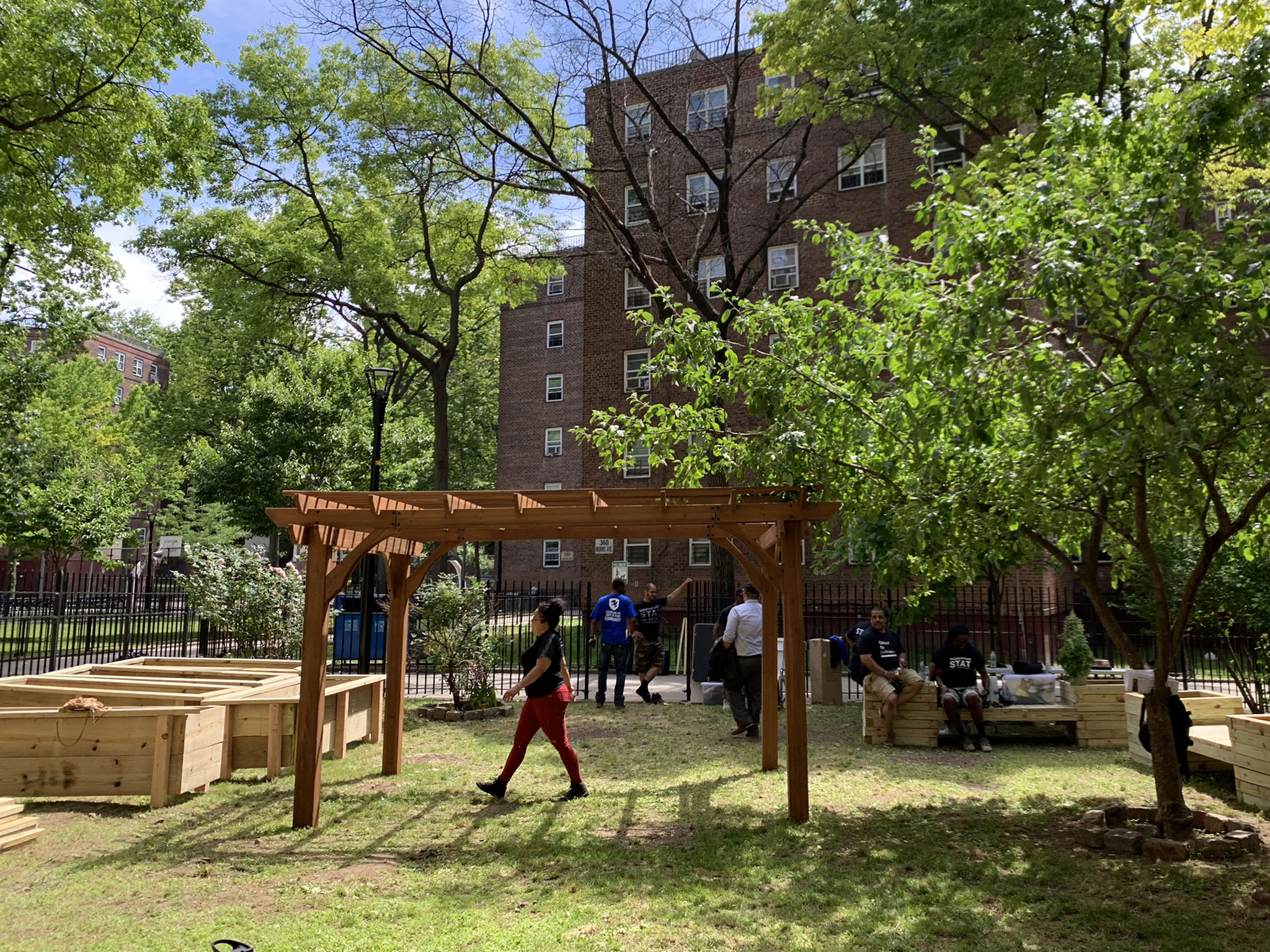
The Patterson Houses NeighborhoodStat team worked with veteran volunteer organization The Mission Continues to clear debris and discarded syringes, and created community gardens as spaces for healing. In the new gardens, residents could gather and help service providers connect with residents. Ongoing stewardship and activations by the stakeholder team have maintained the green spaces for resident gatherings, serving as visible and powerful symbols of community resilience and resourcefulness.
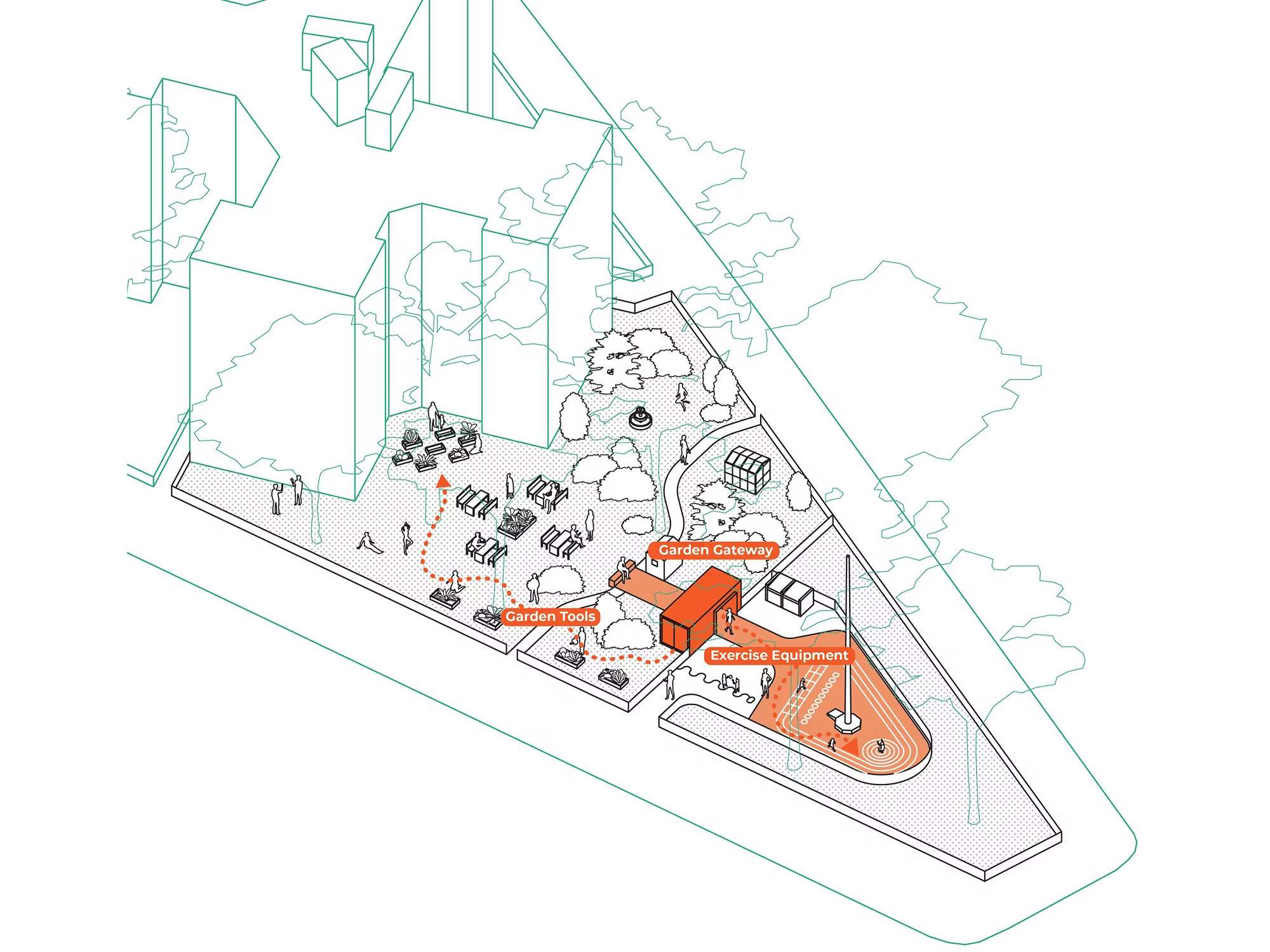
Buoyed by early successes, the resident team and their neighbors used annual action plans to pursue increasingly ambitious projects that transformed abandoned and underused spaces across the development. From 2020-2023, the Patterson residents worked with Interboro Partners on the Garden Gateway, a 1,750-square-foot intervention using a shipping container to transform an underutilized area into a pop-up adult exercise space, as well as a gateway pavilion that creates a new entry into an existing community garden and storage for exercise equipment and gardening tools. In 2022, Patterson Houses also received a half-million-dollar capital investment from the Hemsley Charitable Trust through Green Space Connections, which gave rise to four new spaces including a basketball court, two renovated playgrounds, and an accessible fitness zone.
In June 2014, six-year-old Prince Joshua Avitto and seven-year-old Mikayla Capers were playing outside their home at Boulevard Houses in East New York, before a man followed the children into an elevator and attacked them, stabbing Prince Joshua to death and seriously wounding Mikayla. The attacker was apprehended and convicted four years later. This tragic crime became an important catalyst for the establishment of MAP, and safety and youth development became a focus for the NeighborhoodStat team at Boulevard Houses, where more than three in five residents are women, and more than one-third of households are headed by single women with children.
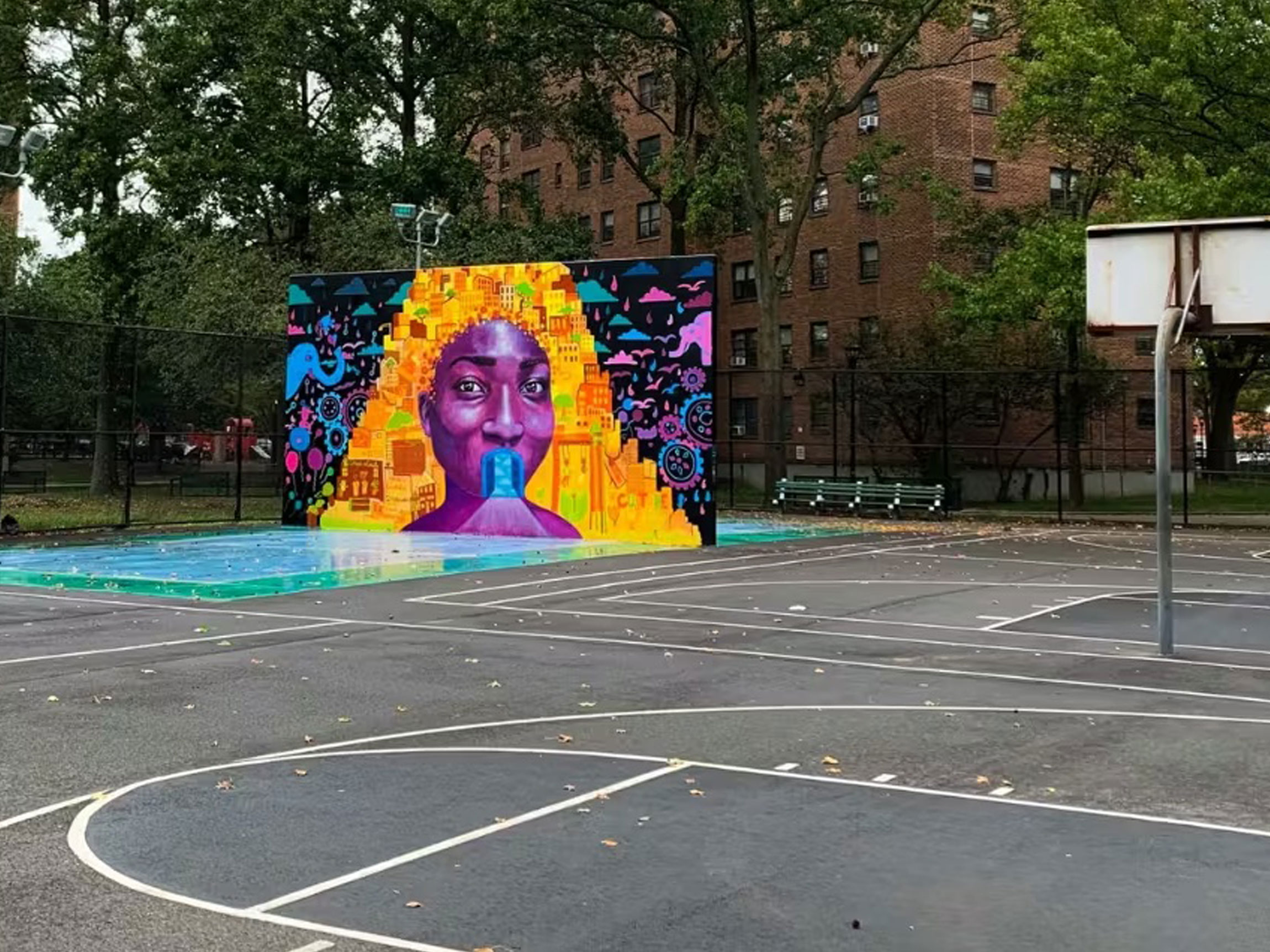
Since 2014, the stakeholder team has reclaimed a centrally located basketball court in the development with a mural designed by residents in collaboration with artist Joel Artista. The team activates the space with continued youth-led programming, including tournaments to bring together youth from other developments to bridge conflict, open space clean-ups, a youth arts showcase, and an anti-bullying event.
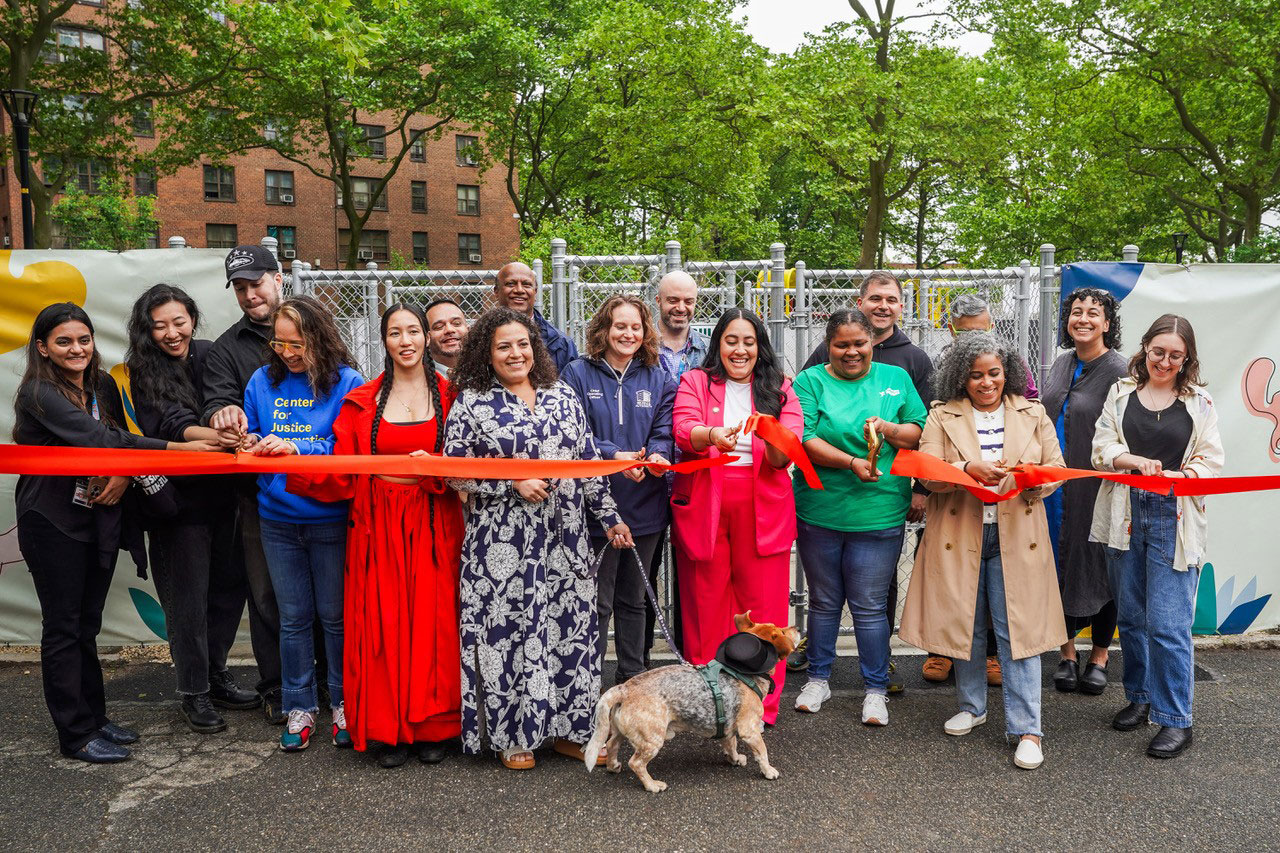
In the fall of 2024, the Polo Grounds NeighborhoodStat team cut the ribbon at a ceremony celebrating “Sprout”, NYCHA’s first-ever neurodiverse playscape. Residents’ desire to improve play spaces at this complex had often conflicted with the ongoing large-scale construction on development grounds, including the installation of the first pneumatic waste collection system in NYCHA. Residents felt that the persistent scaffolding obscured access to open space and created unsafe and unsanitary conditions. Through MAP and a coordinated effort with NYCHA, a construction-free zone was identified for an intervention that would bring residents together in the reclamation and activation of open space. Residents worked with design studio Urban Conga over a four-month-long community design process to create a playscape, adapting dilapidated wooden benches as the foundation for the intervention. The multisensory installation incorporates varying textures, colors, reflections, movements, and sounds to provide neurodiverse users with the freedom to engage in unrestricted play.
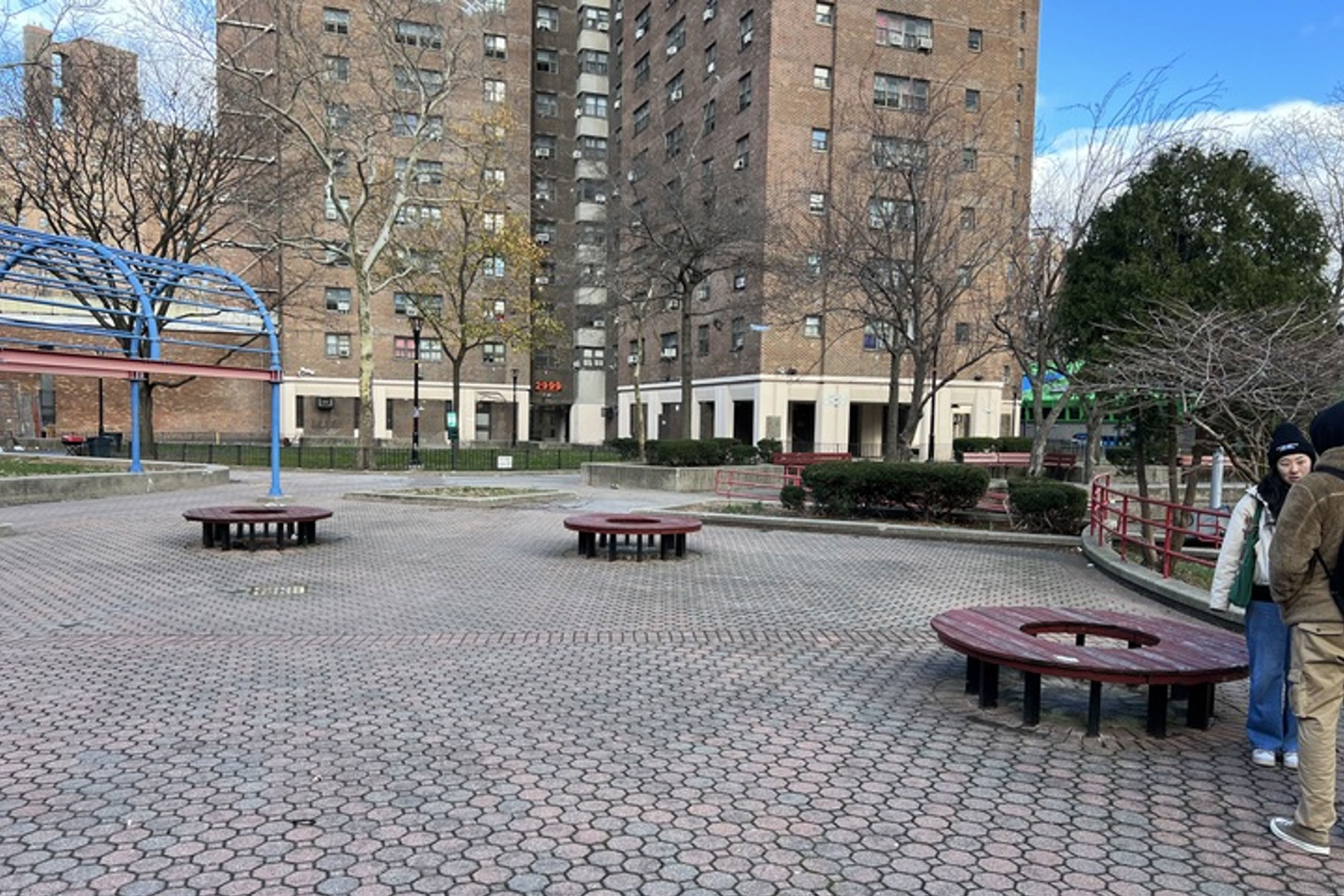
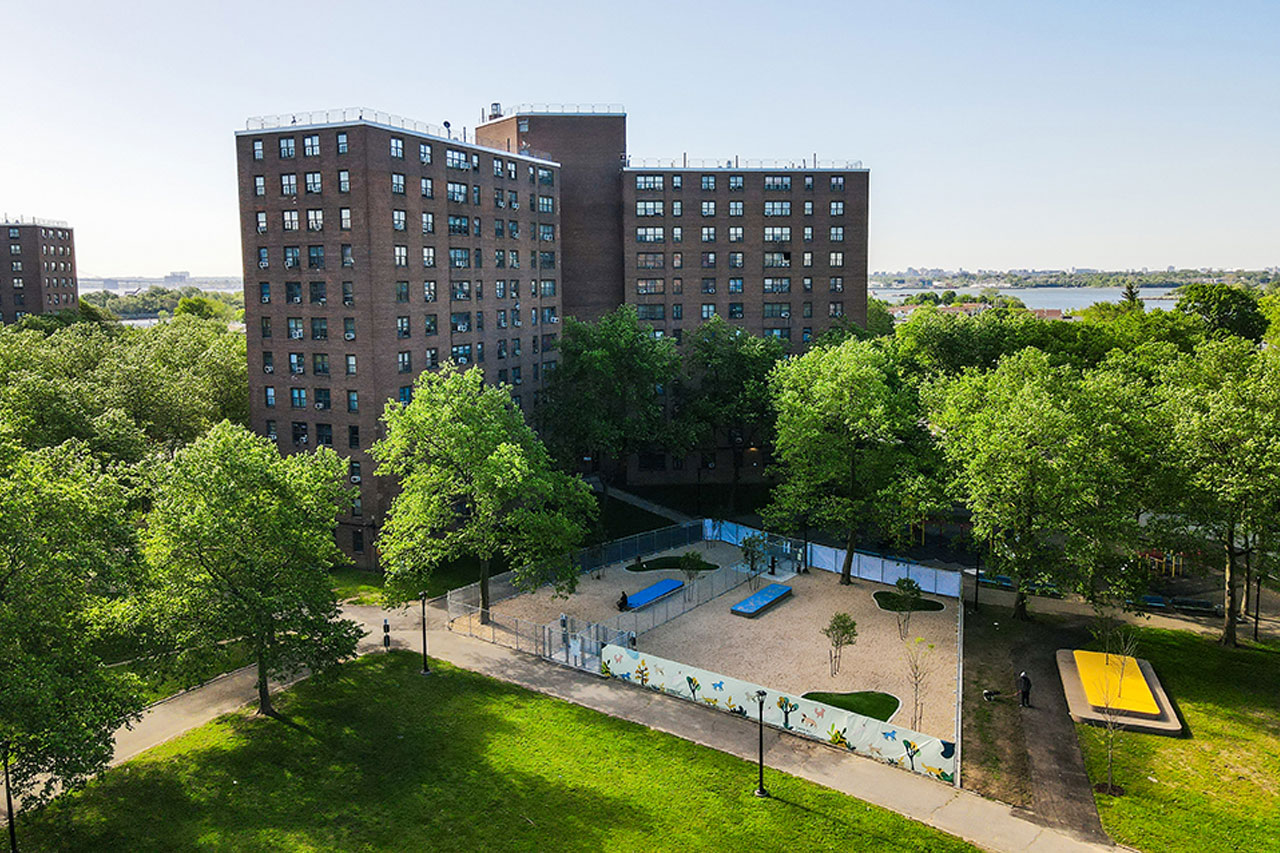
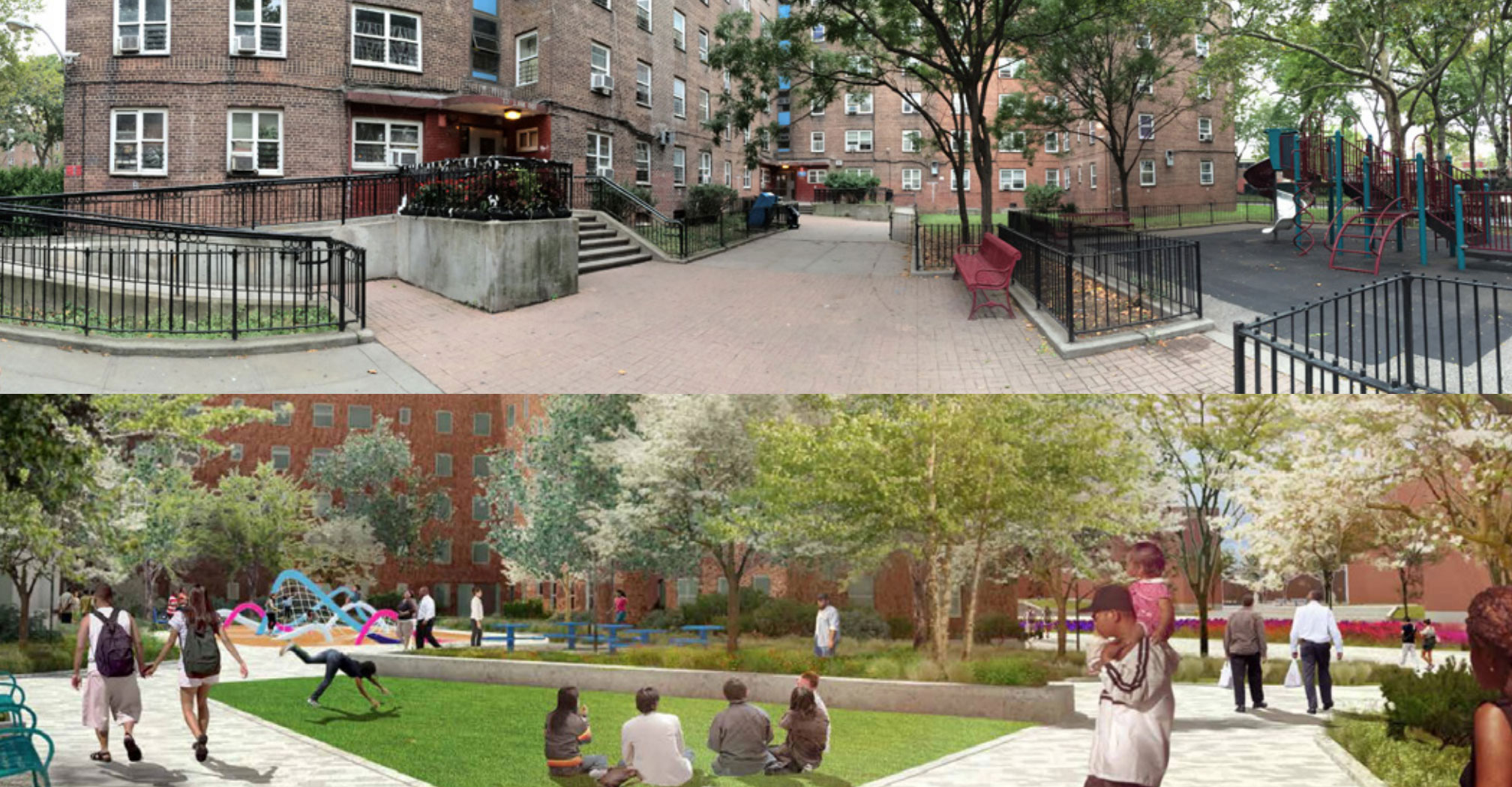
MAP’s successes have laid the groundwork for continued investment and improvement in shared environments. In 2023, Neighborhood Safety Initiatives (NSI) received funding for Green Space Connections, an initiative led by the Public Housing Community Fund (PHCF) and NYCHA designed to ensure that open public spaces have a direct and positive impact on the health, well-being, resilience, safety, and overall quality of life for 14,000 NYCHA residents in Brooklyn and the Bronx. One of the sites slated for significant capital improvement under this project is Castle Hill Houses. Working with residents of Castle Hill Houses, PHCF, NYCHA, and The Design Trust For Public Space, and architects Grain Collective, NSI is facilitating the development of a half-million-dollar capital investment to create NYCHA’s first-ever dog park, expand seating areas, plant new trees, and install a new BBQ area.
Does it work? The answer lies in more than reduced crime rates. While originally conceived to focus on safety in the traditional sense — crime, crime prevention, and justice — MAP eventually broadened to redefine public safety around community-identified needs and solutions for resident health, economic development, youth supports, and public space. Measurements of the program’s success should be similarly community focused. In a 2024 study, over 90 percent of survey participants felt MAP had positively impacted safety issues in their development, and over 80 percent of survey participants said the program increased their trust in community members. NSTAT proves that the government can take the lead in initiating and sustaining community-led solutions to improve safety and well-being. The successful implementation of each project strengthens relationships and fosters a sense of solidarity among neighbors.
MAP’s greatest strength may be its responsiveness — its ability to adapt and change based on the input of the most affected community members. Central NSTAT evolved from quarterly meetings focused on crime stats at One Police Plaza to city-wide convenings that elevated resident experiences not represented in the reporting of crime rates. At the start, NSTAT was led by MOCJ, NYCHA, NYPD, and ten other City agencies and offices. Over time, the program has evolved to empower individuals with lived experience: not just as members of local teams, but at all levels within the initiative.
Renita Francois, MAP Deputy Director from 2015 to 2018 and Executive Director from 2018 to 2022, asserts that MAP in itself altered policy by reversing the flow of government response from top-down to community-up. At community meetings, Francois connects her experience growing up in Compton with the same gang and gun violence experienced by many NYCHA residents. Erica Mateo, the founding director of NSI, grew up in Brownsville and once called Langston Hughes Houses her home. Ramon Caba, MEC of Wagner Houses in Harlem and later Deputy Director of NSI, was once incarcerated. Many of the MECs and other operational staff are hired because of their deep knowledge of the communities they serve. Evidence shows that placing people with lived experience in leadership positions can contribute to creating new networks and improving the quality of local services.
For Delma Palma, founder of the Connected Communities initiative at NYCHA and partner on MAP, responsiveness is key especially because previous attempts to improve community safety through environmental interventions have been so inflexible as dynamics and expectations have changed over time. As an example, Palma cites the shifting meaning of NYCHA’s ubiquitous steel fencing: “When the fences were erected, a lot of research was done by NYCHA before installing the steel bars, and at the time, it was effective. Now, NYCHA acknowledges that the steel bar fencing provides a different feeling to people, that it was institutional and taking away green space from people . . . it really didn’t provide ownership of space to residents and what they wanted to do in it. And these steel bar fences, oftentimes very old, were also a constant reminder of the disinvestment in physical space,” Palma reflects. “Different physical spaces can mean different things depending on the time, the context, and the social culture. ” Now, NYCHA encourages removing fences around housing to create more connected open spaces.
But at the same time, MAP has proven vulnerable to backlash, as the mechanism by which it increases safety has not been fully appreciated by some sectors of the public or policymakers. In 2022, then-Mayor Eric Adams’s Police Department announced a new initiative for so-called quality-of-life enforcement. A year later, a court-appointed monitor filed a report demonstrating widespread NYPD stop-and-frisk abuses — almost half of all police searches were found to be illegal, and almost ninety percent of those impacted by stops were Black or Latino men. Many critics felt Adams’s fear mongering ignored tried-and-true, research-supported strategies for crime prevention and public health and safety — in favor of a return to the (perhaps more familiar) law-and-order theatrics of the “broken windows” era. Under the Adams administration, the Office of Neighborhood Safety, which houses MAP, was transferred from the Mayor’s Office of Criminal Justice (MOCJ) to the Department of Youth & Community Development (DYCD). Francios argues that DYCD “lacks the political muscle necessary to effect change citywide,” hindering MAP’s trademark nimbleness and innovation.
But the demand for community-centered public safety might be more robust than Adams predicted. Research from Vera Action shows New Yorkers want solutions “that comprehensively prevent crime, respond to harm, and stop violence, including treating mental health and substance use, tackling increased poverty and homelessness, getting illegal guns off the street, and providing youth with support and guidance.” And with Mayor Zohran Mamdani recently elected after campaigning on the promise of a new Department of Community Safety, the time may be ripe for a renewed focus on mental health, homelessness, gun violence, and built environment interventions.
However, missing from Mamdani’s safety plans has been MAP’s proven, community-led approach. Furthermore, Mamdani’s plans don’t address the controversial quality-of-life program launched under incumbent Police Commissioner Jessica Tisch. Per policing policy analyst John Hall, “Q-Teams” are responsive to media frenzy, not data, and frequently miss the mark on addressing safety issues. Channeling MAP doesn’t mean the end of NYPD involvement in crime prevention and response; but it does mean making a clean and concerted break with old, inequitable, and ineffective policing methods.
Community safety starts with deep listening. To be successful, any new public safety policy that moves beyond top-down law enforcement must include the kind of community-led process for the identification of needs, development of strategies, and implementation of solutions that MAP has already proven effective. The interventions that emerge from that process are likely to look a lot like MAP projects that have already demonstrated their value in communities across the city, some of which we’ve described here.
In November, Hall, Francois, and other former MAP staffers (including one of the authors of this article) contributed to a Vera Institute report entitled “Department of Community Safety: An Implementation Guide for Mayor Mamdani’s First Term.” The recommendations include a “first 100 days” environmental design blitz, focused on public concerns about quality-of-life issues and drawing on MAP-style data-gathering practices. Recommendations for potential strategies focused on the built environment include standing up a Safe Design Initiative within the Office of Neighborhood Safety, expanding beyond MAP NYCHA developments to invest in permanent design and environmental improvements. Tried-and-true intervention tactics include lighting, improving sanitation, and beautifying public spaces. As Jeanette Salcedo, like any MAP participant, could tell our new mayor: trash is not an NYPD issue, but it can be a safety issue — an issue of whether or not people feel that the government is delivering for them. We don’t need to reinvent the wheel; we just need to give communities what they have been demanding for decades.
The views expressed here are those of the authors only and do not reflect the position of The Architectural League of New York.