We are celebrating 15 years — and counting — of stories that are deeply researched and deeply felt, that build a historical record of what the city has been.
We are celebrating 15 years — and counting — of stories that are deeply researched and deeply felt, that build a historical record of what the city has been.

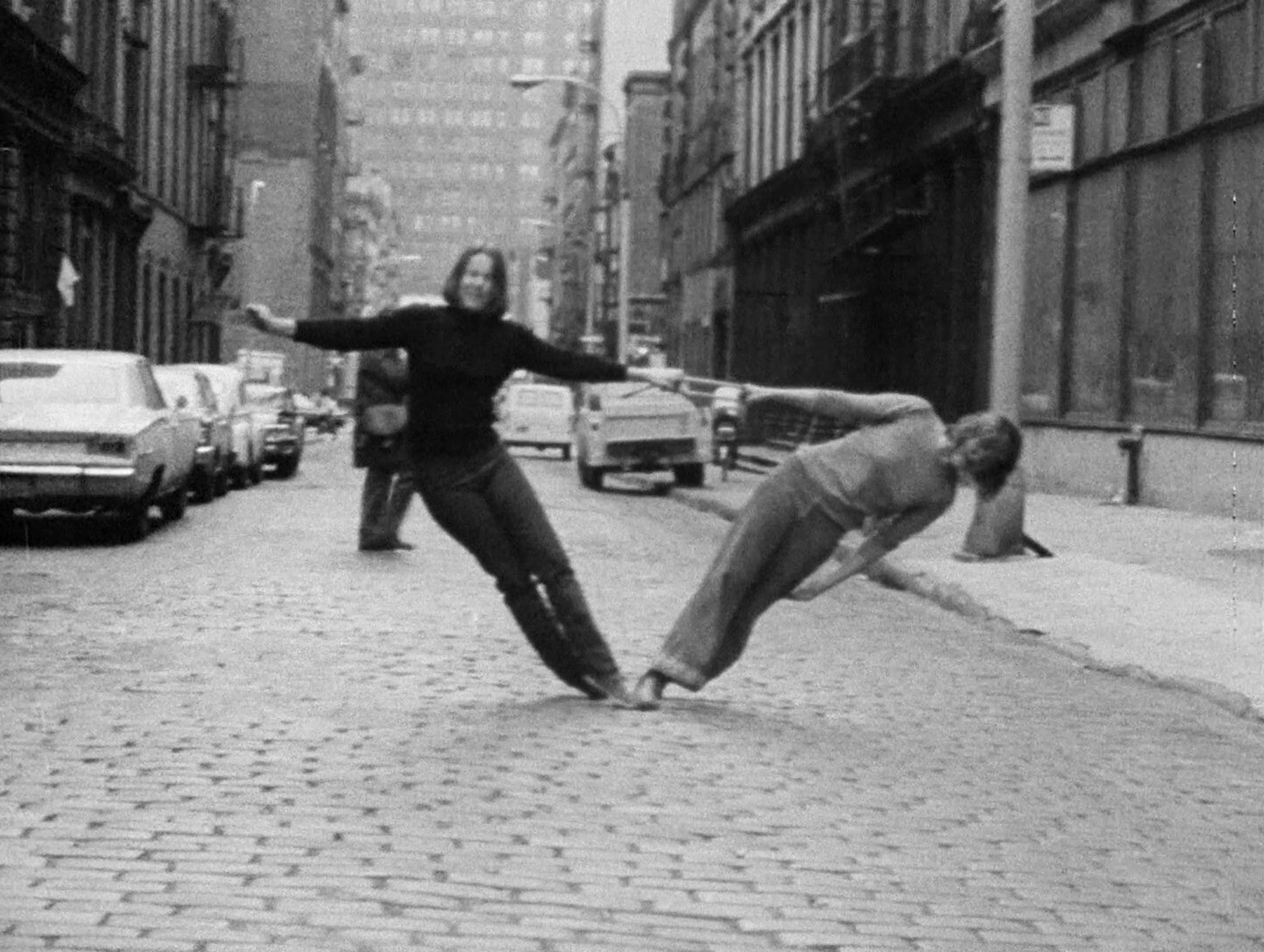
Stair rails become skate ramps, manicured lawns give way to desire paths, subway cars serve as performance venues. Bodies in motion keep city spaces dynamic, lively, and prosocial — sometimes while breaking expectations or even posted rules. For all the effort that goes into crafting buildings and public spaces, into organizing movement through the city’s built environment, uses will and must defy anticipation; the best of urban design is a dance between professionalized and vernacular vocabularies. When it comes to movement as an art form, informality is similarly the mother of invention. Each wave of social dance emerges from encounters between urban communities — and then transforms professionalized dance performed on stages (known as “concert dance” in the dance world). Tap, for example, came out of Irish immigrant and Black American dance cultures blending together in the Five Points neighborhood of Lower Manhattan.
Rennie McDougall’s book Nonstop Bodies: How Dance Made New York City braids urban history with dance history: “The social dynamics of community and place are crucial to understanding what it is that dances are designed to express,” McDougall writes. As social dance convened people historically on the city’s margins in joyful, sometimes transgressive community, the horizons of concert dance also widened. The city was not an incidental backdrop for these transformations but a necessary condition. Below, McDougall discusses the book with fellow writer and dancer Maxwell Neely-Cohen, exploring how New Yorkers have long laid claim to the city, and its built environment, by dancing. – OS
Let’s start with this line, from your chapter on Martha Graham: “This is an important facet of any city: that of the millions of rooms, there is at least one in which some person is willingly falling to the floor like a plank, believing — and rightly so — that in doing so they’re changing the history of art.”
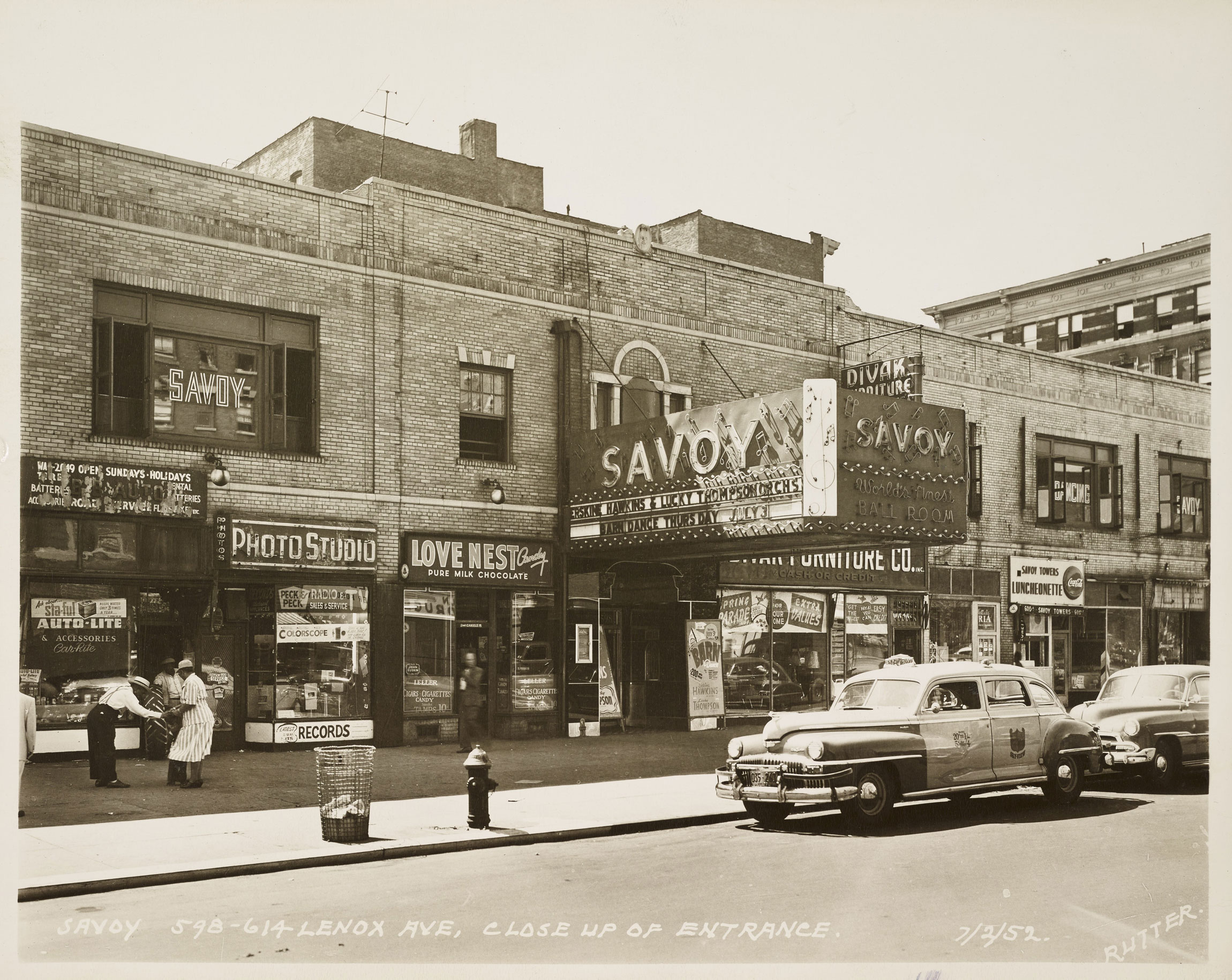
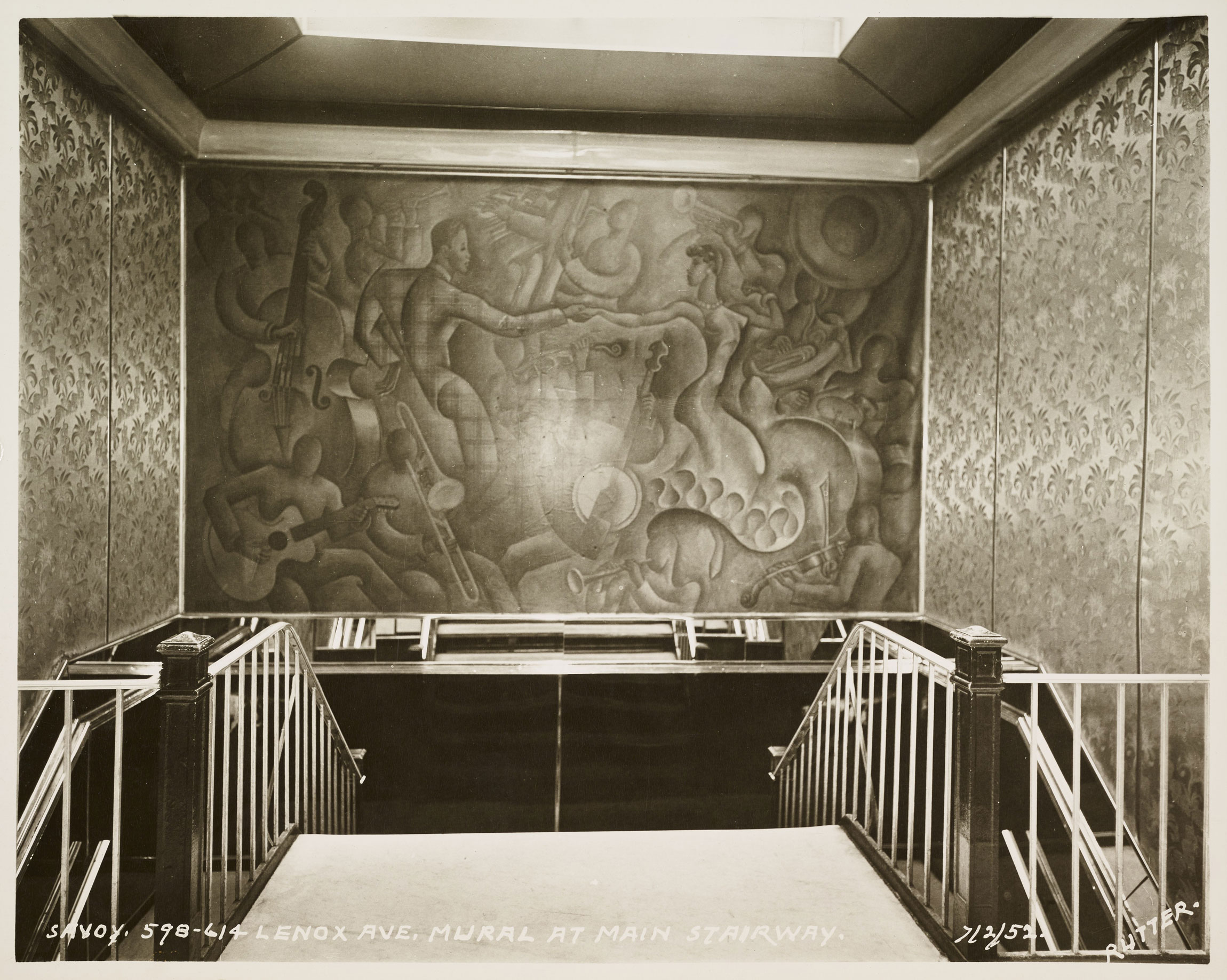
With new ideas or new artistic practices, the spaces where they emerge are typically not the prescribed venues. They’re happening on the margins, in unexpected places. This book started with a piece that I published in the Village Voice on the Savoy Ballroom and the dancers from the Savoy who were still living in Harlem and dancing together. I hadn’t really thought about dance history being so specifically tied to place in the way that the reporting in that article revealed. That got me excited to look at dance history as tied to the city, to look at all of these spaces in the city where movements coalesced or where artists gathered, like Judson Memorial Church, the 92nd Street Y, the Christopher Street Piers, the Bronx parks and playgrounds where breaking was invented. A throughline in this book is how artists created those spaces in the city for themselves, carving out space where they weren’t invited or they didn’t necessarily belong.
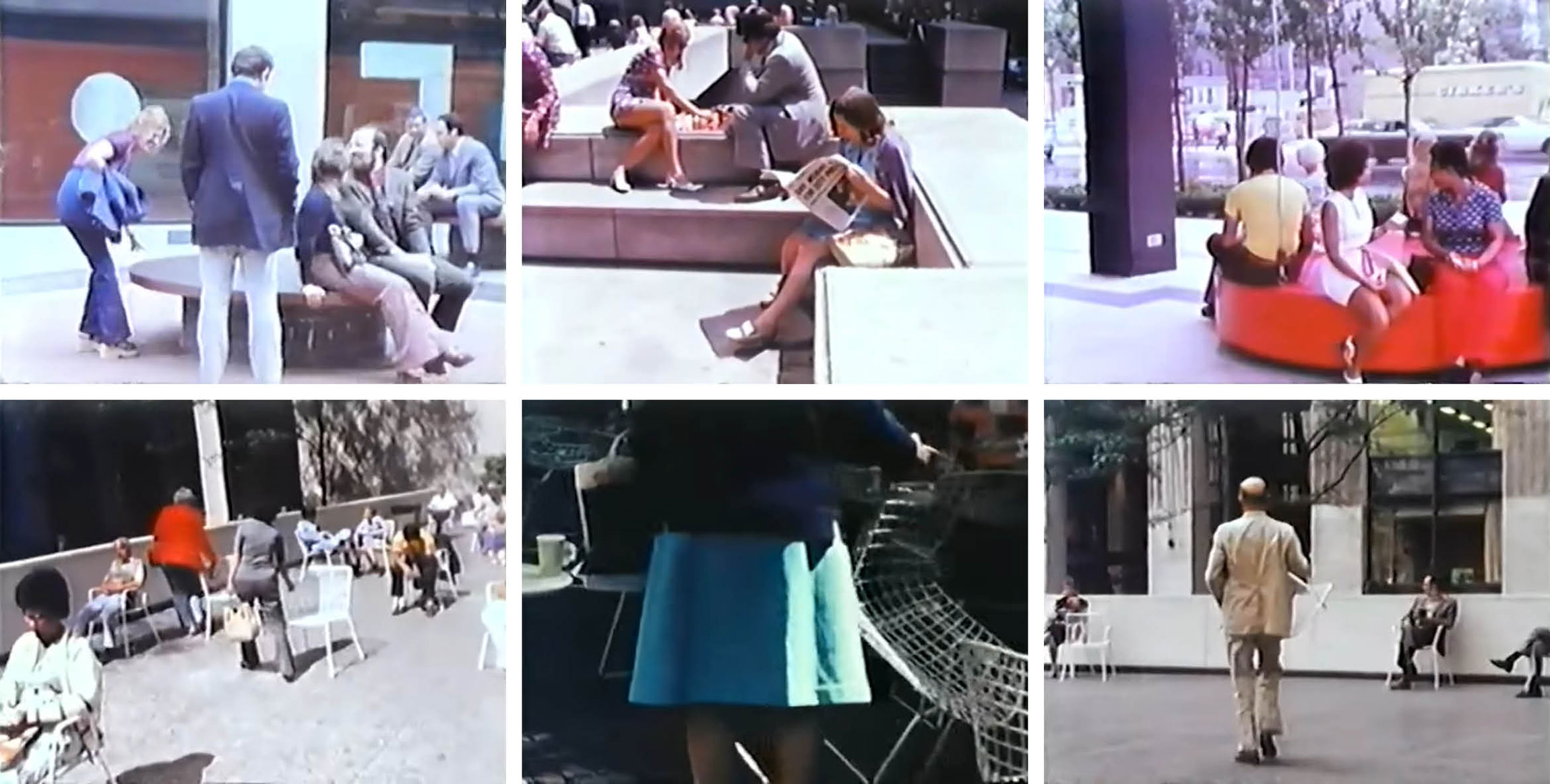
Theory and literature about urbanism are filled with dance metaphors and dance language, like Jane Jacobs’s “Sidewalk Ballet” or Samuel Delany’s notion of “contact.” William H. Whyte, who wrote The Social Life of Small Urban Spaces, talks a lot about “formations” in a way that seems choreographic to me. Lewis Mumford was obsessed with the embodiment of “the rhythm of the city.” It’s not just that people thinking about dance were inspired by the city, but also that people thinking about cities were very reactive to the way that artists were carving out space. Some exchange is clearly present there. There’s the bad cliché: “Writing about music is like dancing about architecture.” The obvious rejoinder is, well, a lot of dance is about architecture. That’s exactly what it’s doing.
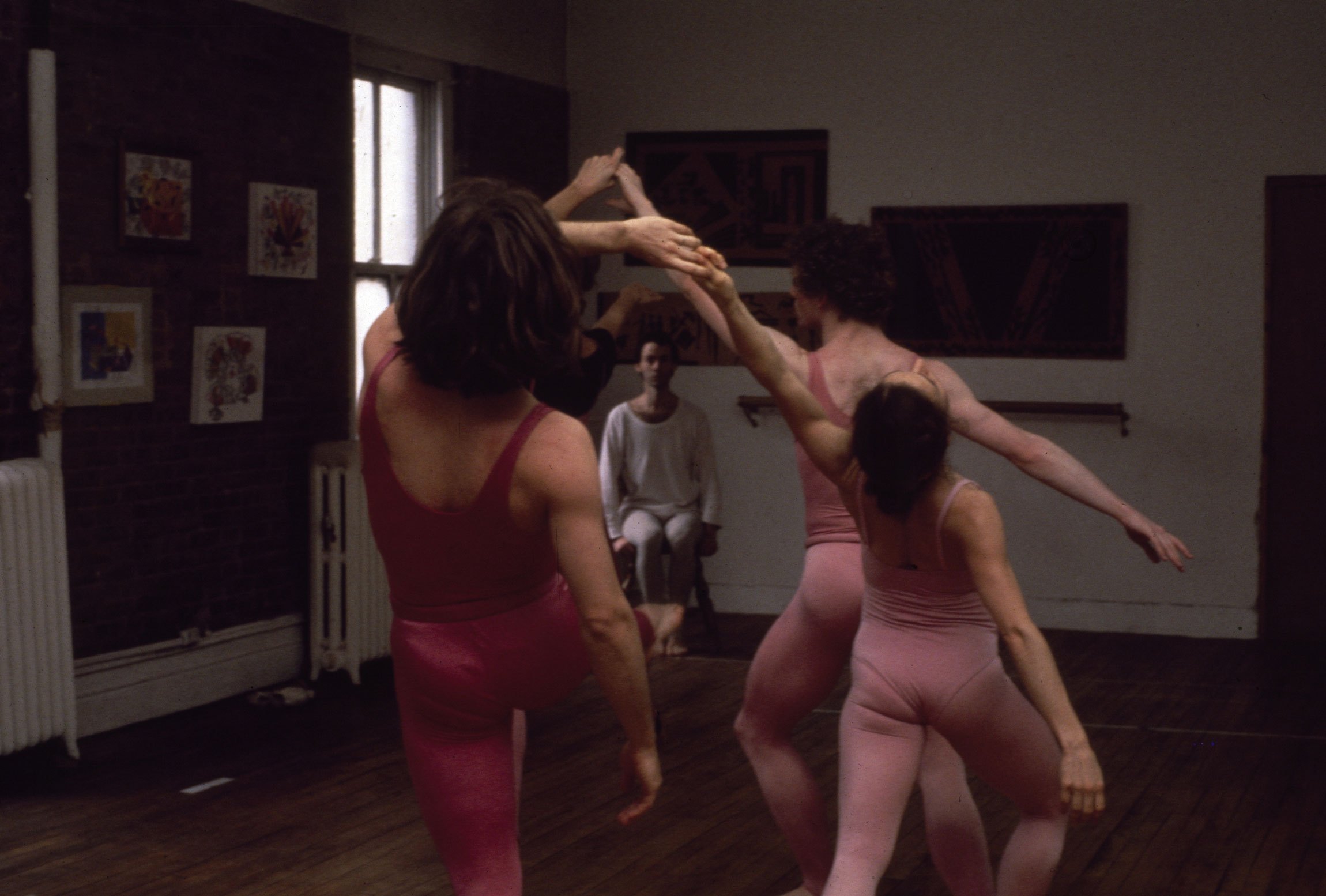
A lot of writing about dance or theorizing about dance is really about bodies in space and time. It just comes down to that. When you’re thinking about inhabiting space, inhabiting the city, it’s the same. Really, I came at this as a history of New York first, told through dance. I wanted to disrupt the idea of dance lineages that looked like family trees and instead explore all the influences that dancers and choreographers absorb by simply living in and moving through the city together. The postmodernists were in their dance studios thinking deeply about their practice, and then they would go to jazz clubs and listen to this music that had evolved alongside the Lindy Hop. And somehow those two distinct worlds end up sharing some ideas. It has something to do with a quote from Trisha Brown, who said, “I don’t want the audience to be able to tell whether I have stopped dancing,” where dancing and just being bleed into each other.
What was it like to write about so many spaces and locations that no longer exist? Obviously, the architecture of these spaces is a part of the project, describing what the buildings were like or what these rooms were like.
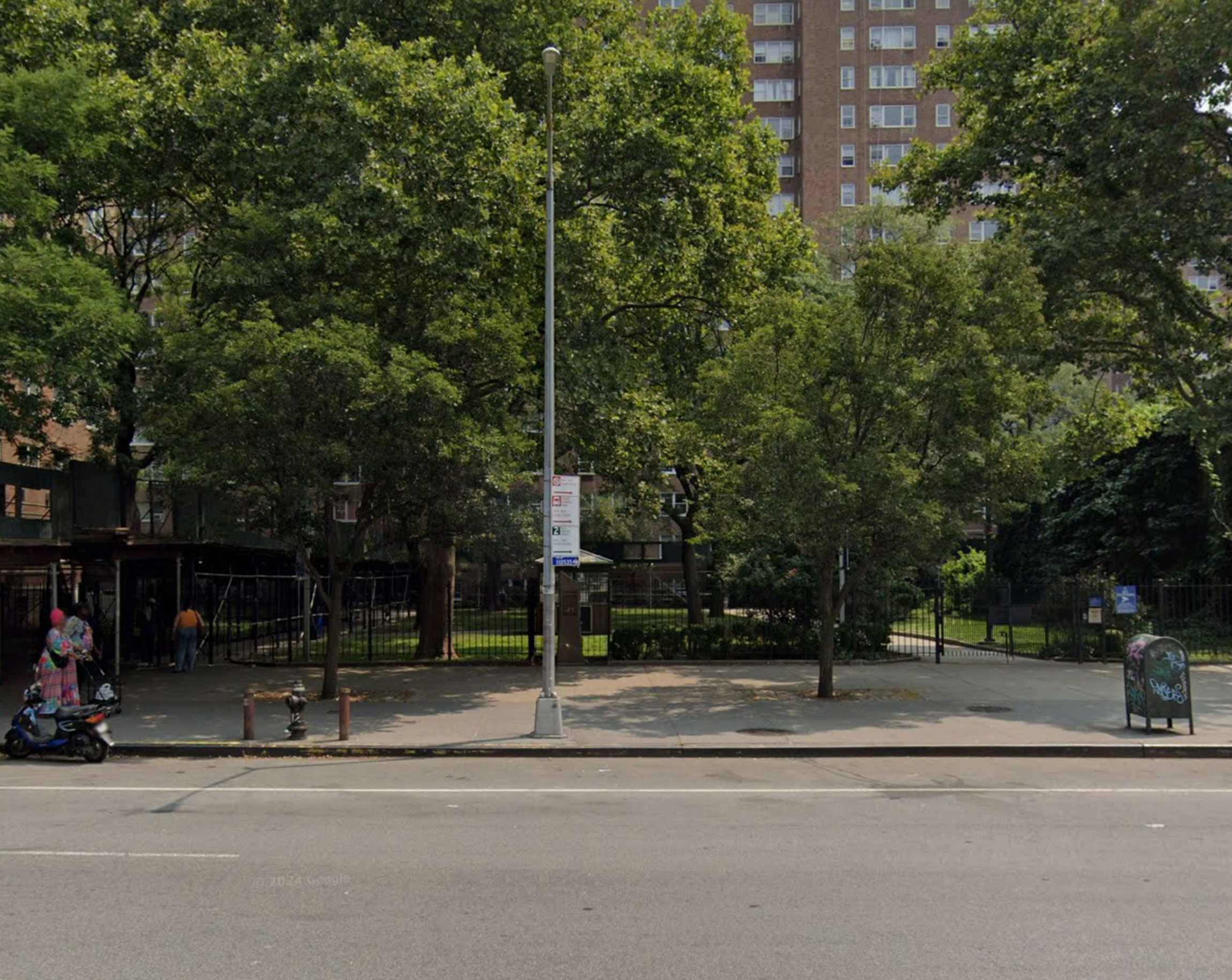
As much as possible, I was going around the city, physically visiting the sites like Judson and New York City Center. Even if the space itself didn’t exist anymore, I would go to the intersection, just to get a sense of the geography of the city and its ghosts.
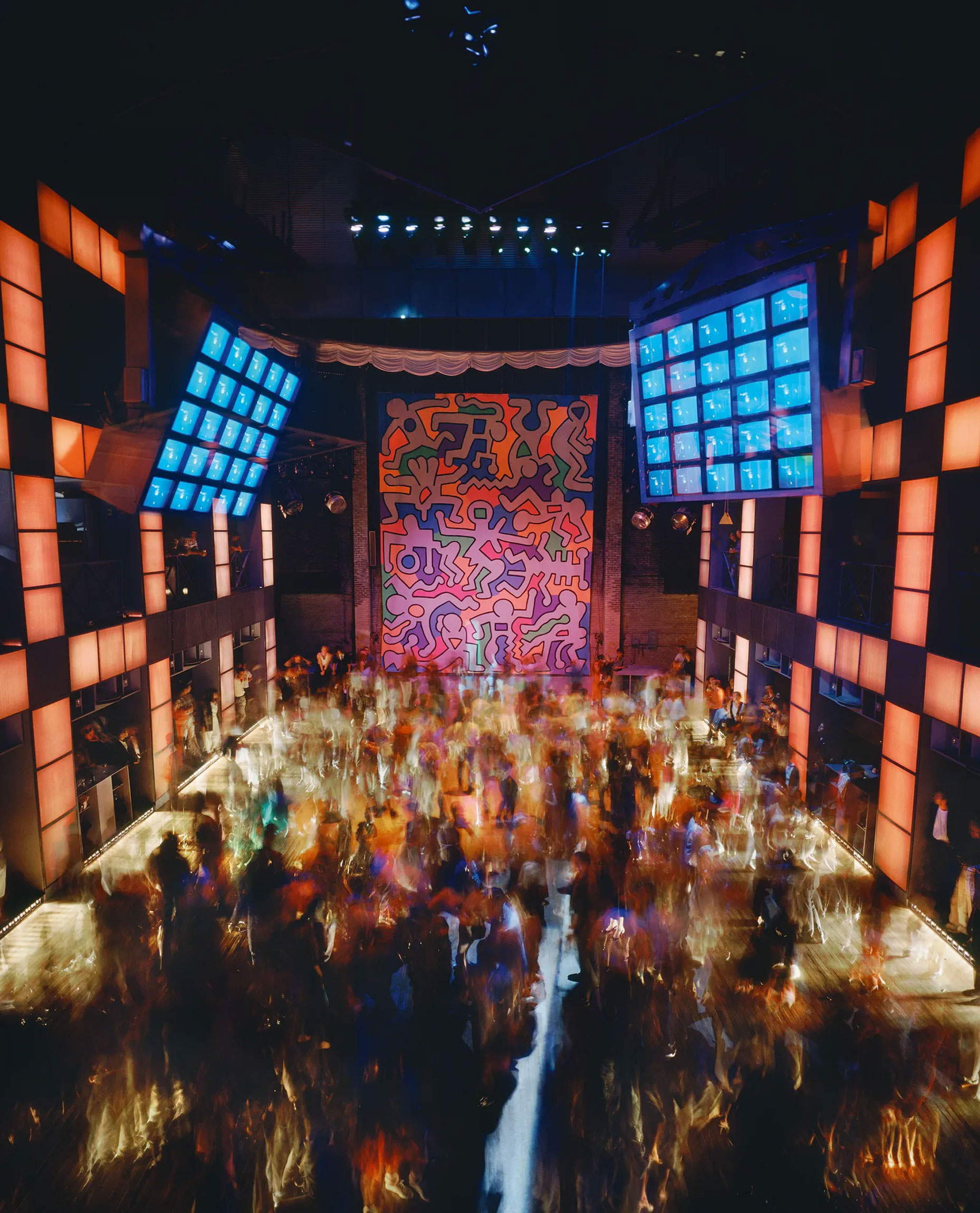
The architecture is definitely a big part of the scene setting and understanding how and where different dancers existed in proximity. But the other thing is the energy of the space as inhabited by people. That was really the fun of it. A place like the Palladium Ballroom, getting those firsthand accounts of the dancers, or the people that were just coming to watch, the way they would describe the energy of the space: I think that was really important. It’s not just about the architecture of the city, it’s about the way that people inhabit those spaces, how they make it what it is.
You make an extremely pointed argument in this book that, to take the subtitle literally, dance really had more of an impact on New York City, in a whole bunch of ways, than a lot of people think. It inverts the way people typically talk about place and the arts. There’s a lot of storytelling about the city impacting artistic output, less so about the artists creating the city itself.
It surprised me how true that was. I think this comes down to putting together in one single telling the history of modern dance, of ballet, and of social dance. The idea that dance can impact the city really is true when you look at social dance and its role in the city. People who are coming to the city, people who are living in the city, are turning to dance in order to experience their embodiment. They are not necessarily thinking about enacting the social and political tensions of their lives, but that comes out through these dances. It’s like what Mura Dehn observed in the shift from the Lindy Hop to bebop a movement from something hopeful and joyous to something withheld and inward-turning. Or the anti-establishment experiments of the Judson dancers happening right when the anti-Vietnam War and student protest movement is happening. It’s all showing up in the dance.
It seems indisputable that if breakdancing never existed, New York City would be a very different place. Even if we took the most basic economic analysis of the cultural impact of hip hop: New York is just a radically different place if that never occurs.
Totally. And I think the exact same thing about jazz in the 1920s at the Savoy and the music and dancing from that era. That was another thing that really surprised me — I obviously knew how much jazz informed the art and culture of the 20th century, but I was surprised just how much it informed so many of the innovations or evolutions of dance in the 20th century; even its influence on ballet or modern dance, it really touched so much. With hip hop, the city was literally transformed: the subways would carry graffiti artists’ work (although they weren’t called artists at the time) through the city from the Bronx into every borough. It comes back to the idea that the city is more about the people’s lives inside of it, how they move through it, than about static architecture.
One thing that feels very specifically New York about this story is that, in most of the periods you’re writing about in your book, in most venues for social dance and even some concert situations, what’s going on is illegal, or borderline illegal. There’s a fascinating narrative here about municipal law and disobedience.
Yes, it’s carried through the whole 20th century, from the laws forbidding dance marathons in the 1920s to Mayor Giuliani reviving the old cabaret laws in the ‘90s to restrict dancing in unlicensed venues. Whenever there’s some tension around the legality of what people are doing with their bodies, interesting things always happen. When dance is pushing up against legal restrictions or restrictive societal norms, that’s where ideas are germinating in people’s bodies that are connected to these big shifts in social structures, or the big liberatory movements of the 20th century.
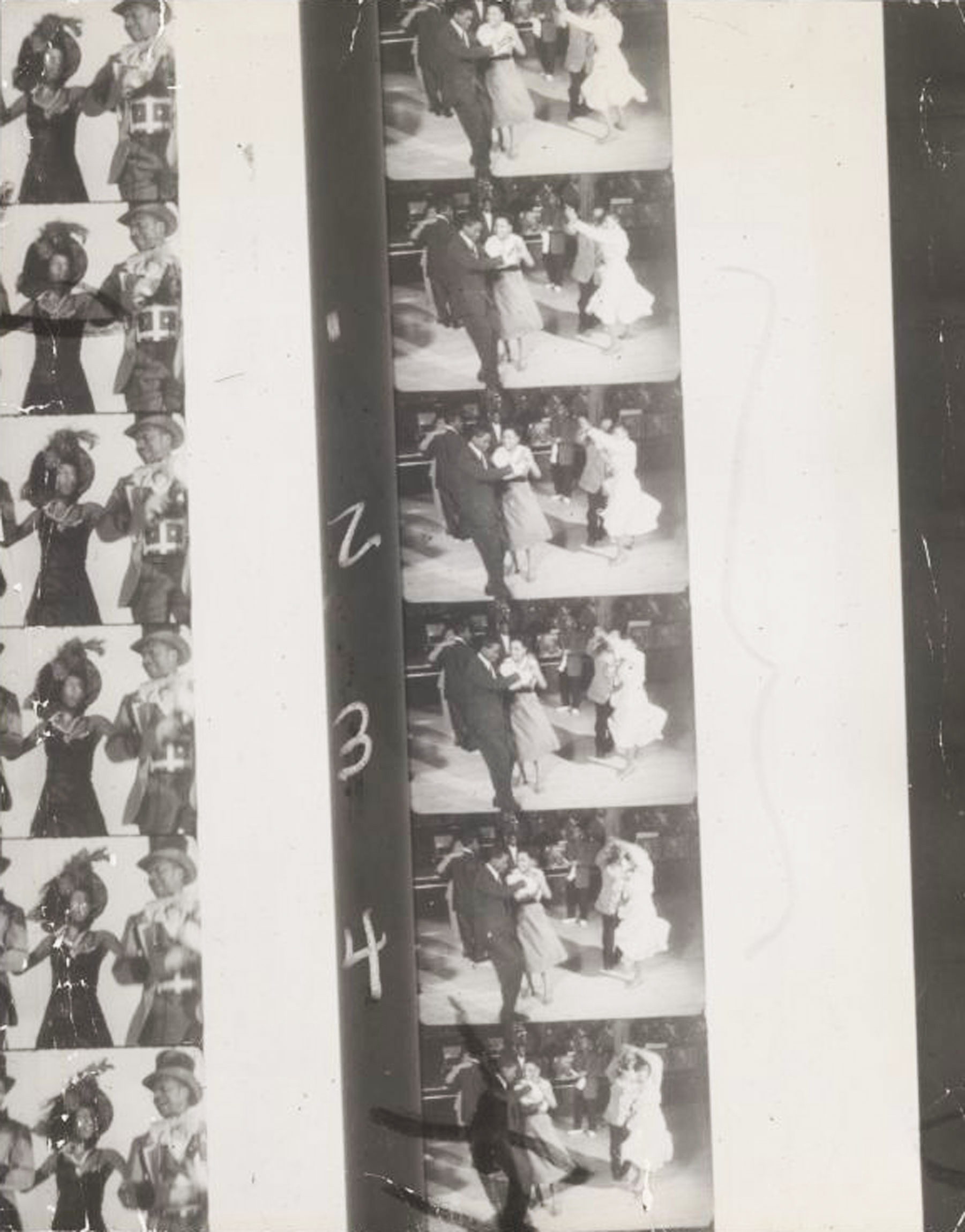
It’s not necessarily that dancers were making big political statements. Mura Dehn, who was one of the chroniclers of the Savoy and of these jazz dances, specifically the Lindy Hop, she ended up filming a lot of the dances at the Savoy. There was a great piece of writing of hers where she talked about how, when she would interview the dancers about what they were doing, they often would just talk about their lives in a kind of totality. They would talk about their jobs and their relationships, everything but the dance. What they were doing in the dancing was so tied up with their lives. But it’s not that they were explicitly making this statement about their lives or their communities, it just was.
Another major throughline in the book is about funding, money, and patronage. The history of concert dance in New York is a history of funding, of winners and losers. It was myth piercing to me: Some of these artistic figures who I might think of as being untouchable titans, in some ways they’re just the ones that got money. There’s a survivorship bias.
That really begins with the Works Progress Administration supporting artists as part of the New Deal during the Depression. Then you see it with McCarthyism, and artists being locked out of having their art uplifted or nationalized. You see it with the Ford Foundation supporting George Balanchine in the 1960s, where Lincoln Kirstein was pulling strings behind the scenes to ensure the New York City Ballet received the majority of funding while modern dancers got nothing, or the creation of the National Endowment for the Arts, and the artists that received funding like Martha Graham and Alvin Ailey: The value systems of different people in power create the conditions for artists to be supported or not. Those decisions are always framed as apolitical. But Eleo Pomare and Katherine Dunham, for example, spoke out about being denied funding because of revealing and unflattering portrayals of American racism in their work.
Dance is intractably global. I find that a lot of dancers and choreographers have an ideology unto themselves — almost a nationalism (or anti-nationalism) unto themselves. My late father once joked to me that dancers are always the first to defect, they’re unusually willing to risk uprooting themselves and taking on a new national identity. Was it hard to constrain what you were writing about to New York City?
The book really is about the specificity of dance connected to place. But of course, you can’t put a neat frame around it, because a lot of what is happening in New York is driven by people and influences that are coming to New York from other places. The dances that ended up becoming the Lindy Hop, that transformation was really due to Black dancers from the South coming up into the city during the Great Migration and bringing dances with them. And a lot of those dances have roots in West African dance. Similarly, you can look at somebody like George Balanchine coming from the Imperial Theater Ballet School in St. Petersburg, going through the avant-garde of Berlin, and then Paris, and then coming to New York. As much as the book is specific to New York, it’s by no means saying that all of these dancers emerged from the city without outside influence. It was, in fact, the total opposite.
A lot of the people in the book are incredibly talented, but you depict them not as all-powerful creative geniuses, but as people constrained by their world and their time. The walls are sometimes really closing in on them. The dancers in both social dance and in these more formal forms seem to be, often, just a little bit dissatisfied with something. They’re just a little bit dissatisfied with some part of what’s on offer to them. And so they do something else.
There are a lot of big artists that made important work in here, but I wanted to write the book as a narrative, fleshing out those characters as people, which then lets us know more about the work that they were creating. What were the tensions in their life, or what were the restrictions that they rubbed up against in their work? I wanted to look at an artist like Jerome Robbins and understand how the fear and pride that plagued him had as much to do with his work as his creative genius. A lot of the time the process of creation is just someone thinking, “I’m going to try this ’cause that isn’t working.” That’s all it is. I think of Neil Greenberg and his 1994 Not-About-AIDS-Dance. He was living through the deaths of so many friends and was himself living with an HIV diagnosis, but he didn’t want his work to be explicitly about that. He just created and let his reality seep into the work on the periphery.
Throughout the book, improvisation shows up in all of these different forms as a way to unlock something new. Particularly the social forms, the Lindy Hop and mambo at the Palladium, but also in contemporary dance when the choreographers are trying to get beyond their habits. It feels like an essential part of how all dancing evolved at different periods.
One thing I think is really hard to explain to non-dancers is the beauty, aura, vibe — whatever word we want to use — that’s present in these spaces. I can’t believe how nice most dance studios are in New York City, I can’t believe what some of these dance floors at venues look like compared to the interiors of the buildings surrounding them. There’s this hidden architecture that I had no idea was there before I was moving in those spaces as a dancer.
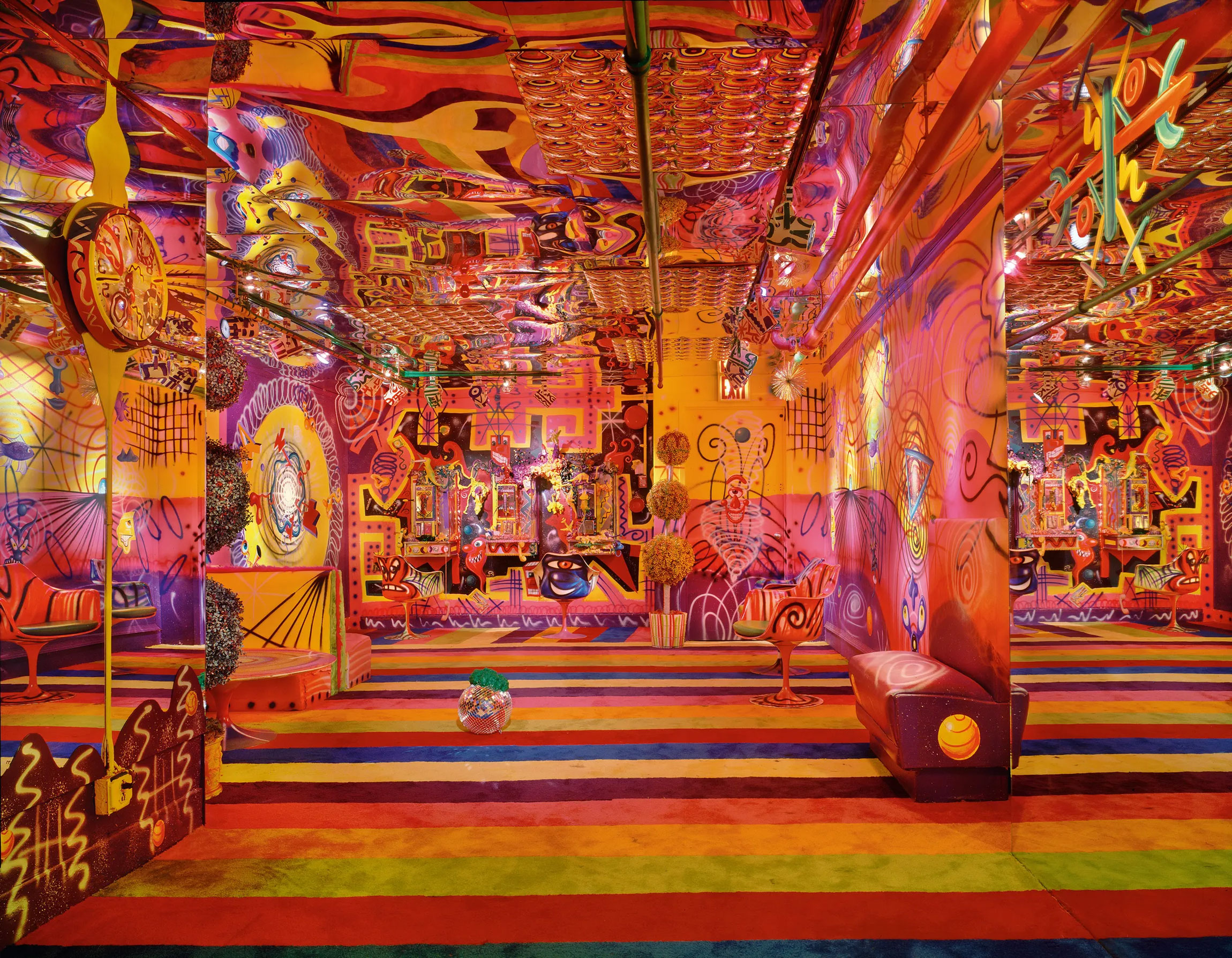
I’m curious about not only when space like that is prescribed for dance, which is obviously essential and great when it’s there and given to artists, but also when artists find the space for themselves and just occupy it, regardless of its intended use. Looking at this history, there were a number of times where that was essential to the beginning of something new, or the creation of real community — like rent parties in the early days of hip-hop in the ’70s, and performance artists in venues like King Tut’s Wah Wah Hut and the Mudd Club in the ’80s. Because people have just decided to occupy space, regardless of whether they are allowed to or not.
It makes me think of the contemporary example of the concourse at Moynihan Train Hall, which has been completely taken over by K-Pop and Brazilian Zouk groups filming their routines.
I have to say I discovered that quite late and I’m sad that it didn’t make it into the book. But I think it’s proof of the history that the book is telling. Those dancers are doing something that’s completely tied to the contemporary moment in terms of a dance form and the way it’s being disseminated. Everybody’s got their tripods and they’re filming it. I think it’s a perfect example. And those examples, I think, are fewer and farther between in the city now.
Because you’ve documented so many of these amazing things that happened that weren’t determined or funded from the top, I’m curious if that’s changed how you think about a city’s responsibility to its artists — if it’s influenced at all how you think about policy or models or structures for funding the arts.
I’m Australian; before I came here, I was a dancer and a choreographer in Melbourne, and there is comparatively a lot of government support for the arts there. There should be here as well. Obviously right now there’s a massive attack on arts funding. In the United States, we’ve had decades of insane and incoherent justifications for why arts funding has been canceled. I’m understanding in your question that there’s a tension: It is true when artists kind of find their own spaces, interesting things happen, but that shouldn’t mean no public support for artists.
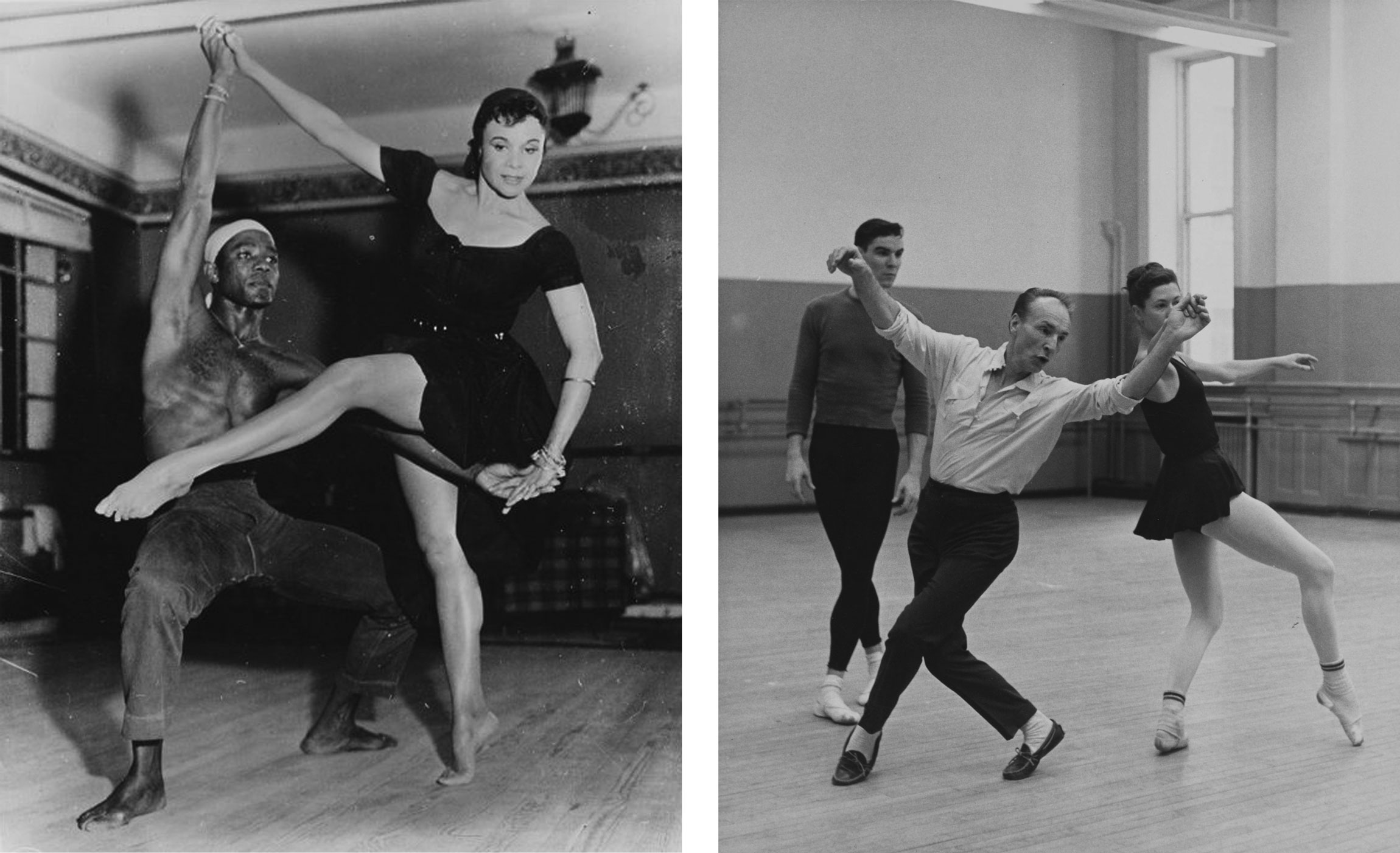
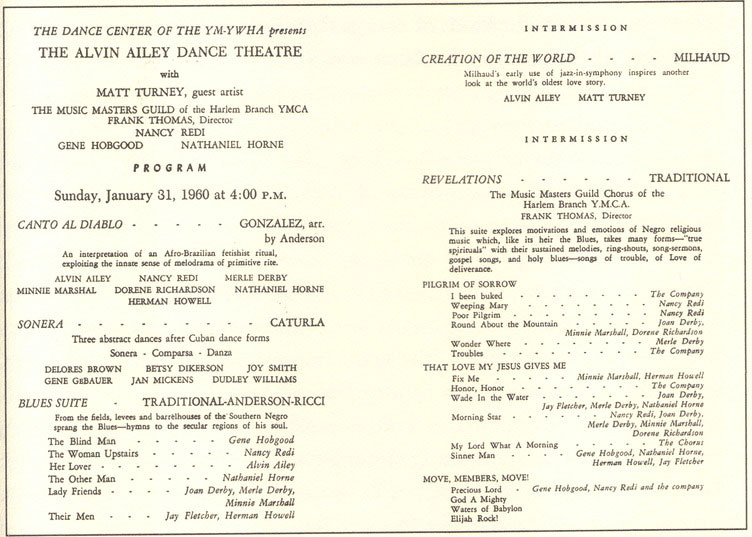
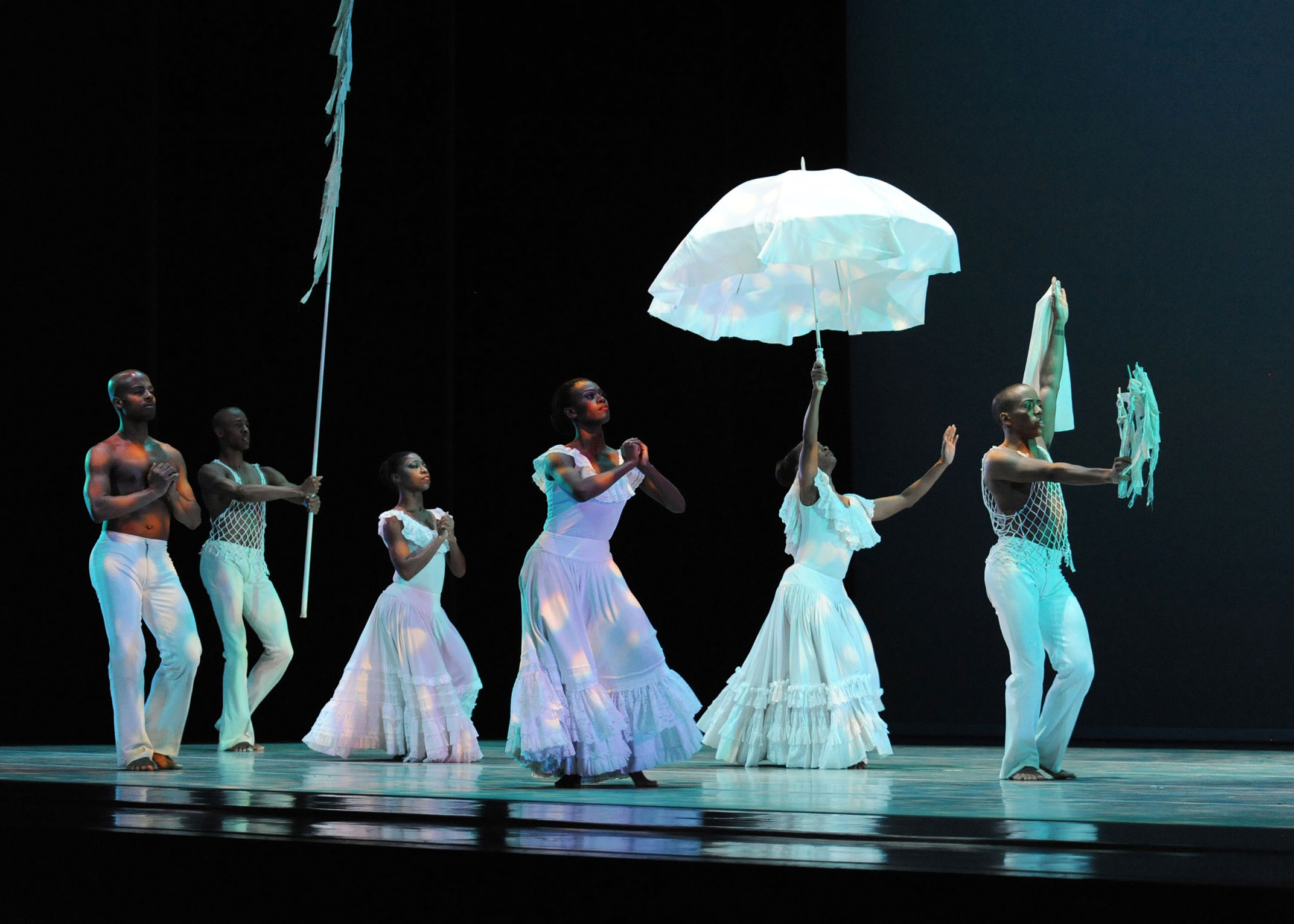
There’s something about access. Taking the 92nd Street Y as an example: At the beginning of research for this book, Alvin Ailey was obviously a figure that I wanted to focus on. I was looking at Revelations specifically, which premiered at the Y, and I was thinking, okay, what was happening at this space in the 1960s? All of these artists were presenting work there around that time, it was a center of choreographers coming to share their work. And then through research, I realized that right before this flurry of performances and community building, the Y had changed their policy so that they were no longer going to curate who got to perform and who didn’t. If you paid a minimal fee and you booked the space, you could present the work. And that to me is a really clear indicator of where these two things meet. There is support and infrastructure for the artists and also there weren’t gatekeeping policies, where the artists would have been deemed acceptable by the curators or the administrators.
How are you feeling about dance in the city right now?
It’s been interesting spending so much time in the past with dance, thinking historically and ignoring the present a little bit in order to do that. It’s very easy, I think, to get seduced by the idea that things were better back then. But it’s also interesting thinking about periods in the past where there was a kind of stasis, or where things felt like they weren’t moving as much as in other periods. When it just felt like certain figures were really established, a kind of conservatism had built up around their work and what they were doing, and there wasn’t a lot of new energy. And sometimes it feels like maybe that’s where we’re at right now.
I’m a little more optimistic about the present than you are in your closing chapter, where you speculate that dance has become less a part of the cultural landscape in the city since you arrived here. It made me understand the reasons that I am optimistic about where dance is in the city right now. I’ve been witnessing an insatiable appetite among audiences. All these things sell out that I never thought would ever sell out. To me, that’s a sign of something.
I do think the concentration of energy that creates the possibility of something new, an experimental, improvisational unknown thing, the space is wide open for that to happen. And of course, it will happen at some point. I’m excited for that.
The views expressed here are those of the authors only and do not reflect the position of The Architectural League of New York.