
Series
New City Critics
Dispatches from the New City Critics fellows: new, fearless, and diverse voices to challenge the ways we understand, design, and build our cities.
We are celebrating 15 years — and counting — of stories that are deeply researched and deeply felt, that build a historical record of what the city has been.

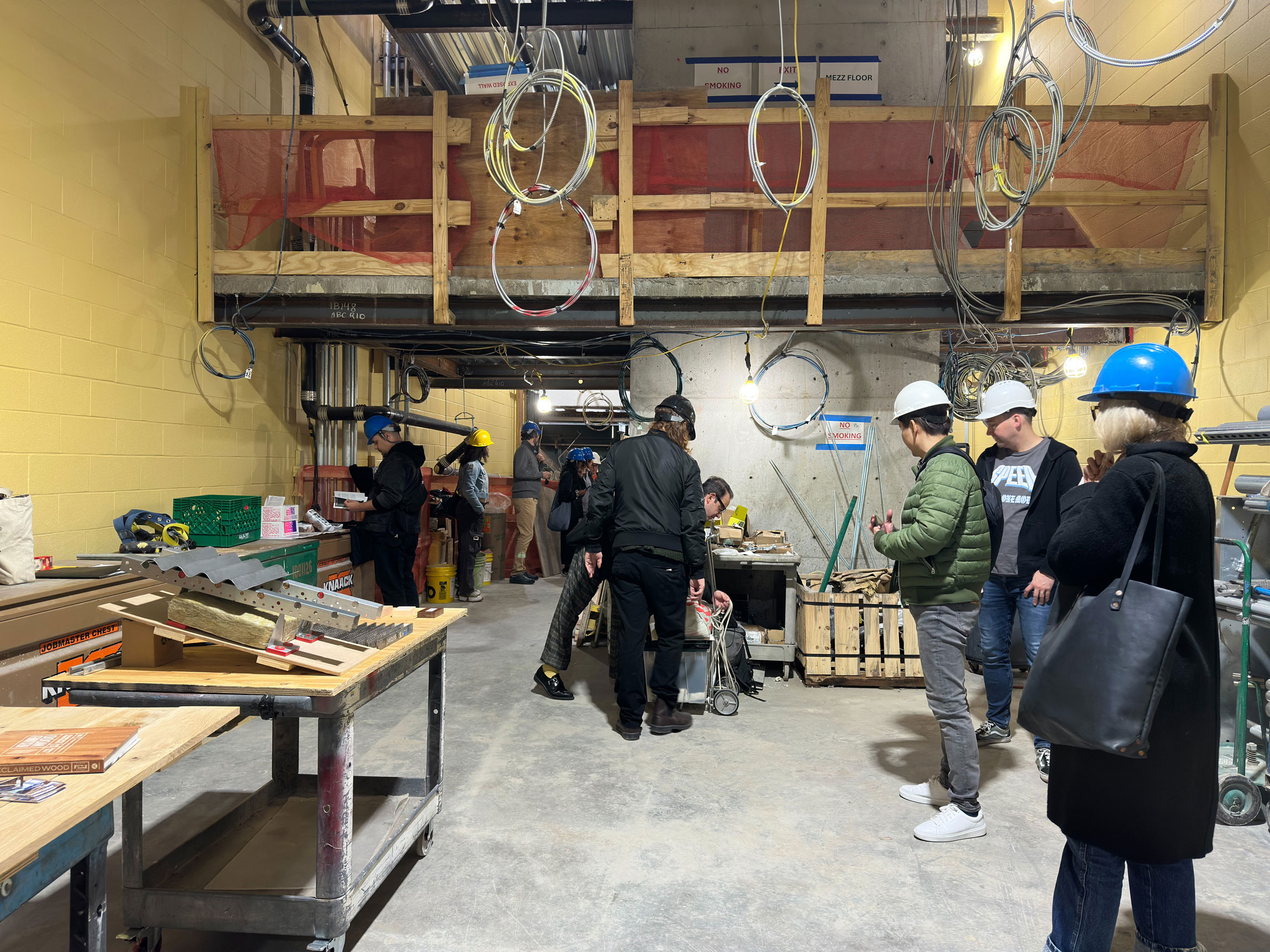
On Rivington Street in the Lower East Side, a resurrection is underway. What is currently still an active construction site will be the new ABC No Rio: a DIY stalwart for independent art, all-ages punk and hardcore, radical politics, and mutual aid. Next door, what once was a matzo factory is now condominiums, complete with a GoPuff fulfillment center on the ground floor. Dotted around the neighborhood: a cat cafe, a pilates “coven,” hotels, and a climbing gym. The new ABC No Rio will be born into a new world.
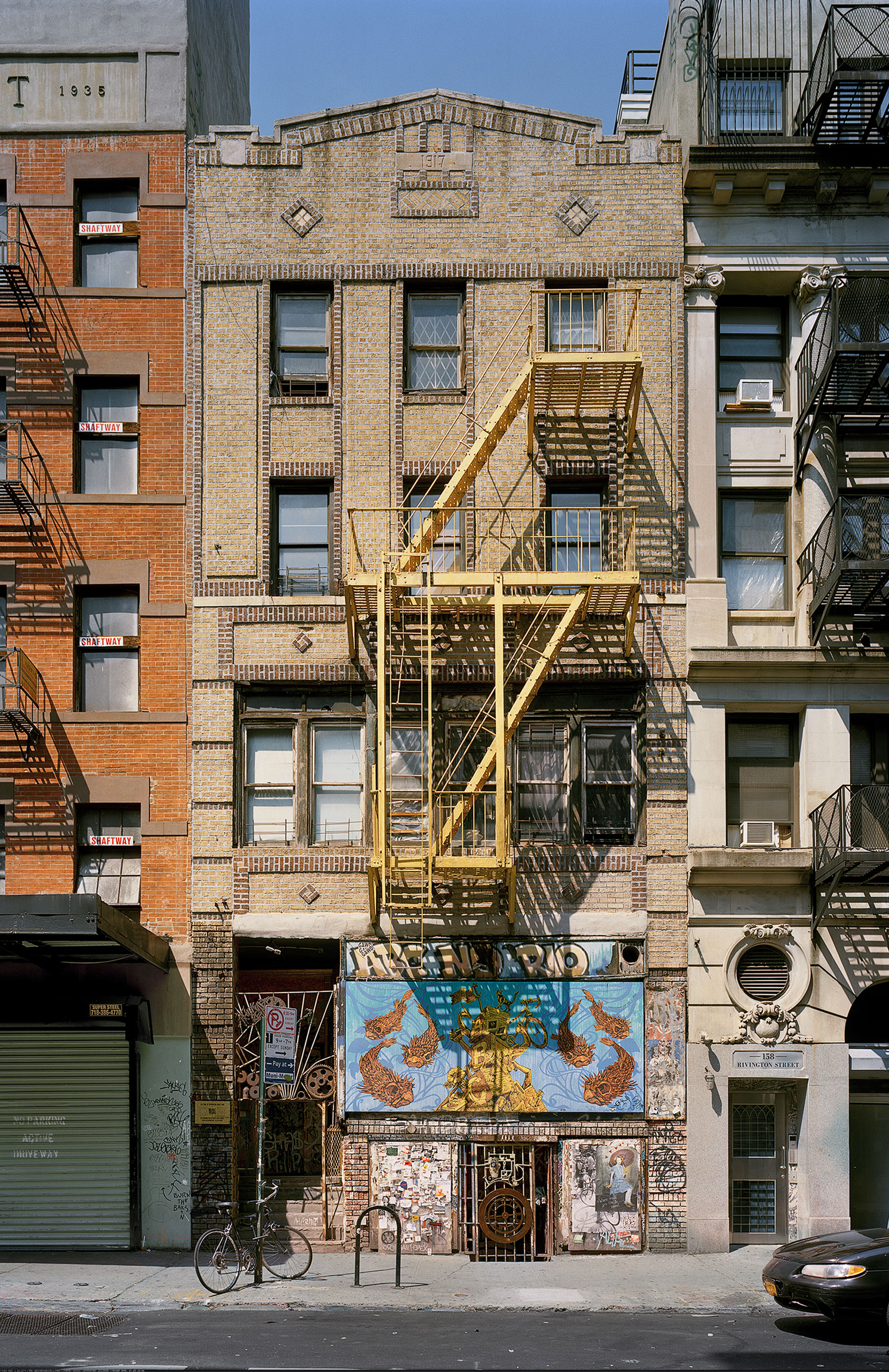
The original came to be in the 1970s when the City took possession of thousands of abandoned properties, leading to their improvised reoccupation. It is only through videos, images, and recollections that I can picture it. In a 1990s documentary uploaded to Youtube, the building’s exposed innards are grainy but present. There is a hole in the bathroom floor; rainwater occasionally washes its way down onto equipment. There are problems with heat and power. In basement shows, kids thrash and jostle each other around in the pit.
In a mosh pit, someone picks you up when you fall. If you lose your keys or your shoe, the crowd will give them back. From my own formative experiences in the pit and in leadership at a Boston-based DIY organization, the ethos has always struck me as utopic as well as confrontational. All of us were moved by an ideal of participation, by movement, togetherness, and the spontaneous reoccupation of space. Few improvised spaces last, and dreams of permanency often go unrealized. Change — not only in the context of DIY, but in the life of cities — is rarely welcome; people are always telling me that their version of yesterday was better, cooler, and cheaper. It’s easy to believe them, especially when market logic is winning the day.
Multiple generations of ABC No Rio members fought decades of eviction orders to create a new paradigm. Their occupation of the office of the then-Commissioner of the Department of Housing Preservation and Development resulted in the City transferring ownership of the site in 2006 for $1. Per the architect Paul Castrucci, the posts holding up the structure were crumbling to dust. In 2016, ABC No Rio closed its doors, and the building was demolished. Its rebirth comes in part thanks to a $21 million funding allocation from the City and relationships with authority figures cultivated by organizers. The New York City Economic Development Corporation’s signage outside makes for an unlikely sight, but in clawing the building out of a ruthless market, ABC No Rio’s organizers have afforded themselves rare and hard-fought continuity.
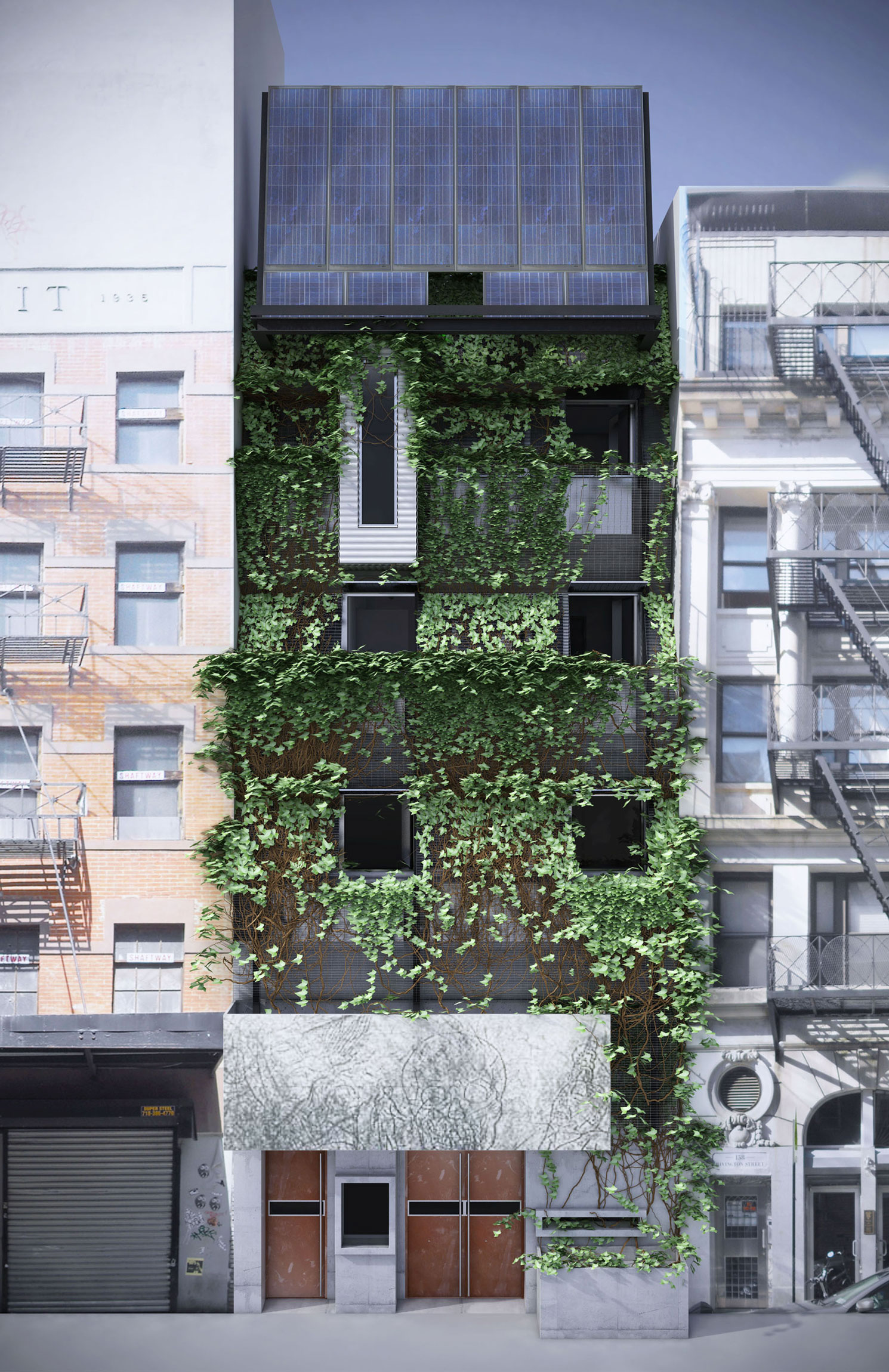
Designed to match the ideals of its collectives, the new ABC No Rio will be highly energy efficient, with insulated, double-paned windows, a roof largely covered by solar panels and vegetable gardens (whose harvest will be cooked in community kitchens), and a delicate coat of windblown greenery climbing its geometric metal facade. Next fall, shows and other familiar programming will return to this address after ten years of exile. “It’s going to feel different, for sure,” acknowledges Gavin Marcus, ABC No Rio’s Executive Director. An invaluable permanency ensures that organizers can make space for what is to come. Programming will be driven by an open door policy, welcoming a new generation of artists, new partnerships with community organizations in the neighborhood and across the city, and address the exigencies of a turbulent political climate.
ABC No Rio is not of yore, a museum of itself, or trapped in nostalgic reverence. Instead, it gets to be something new.
The views expressed here are those of the authors only and do not reflect the position of The Architectural League of New York.
Dispatches from the New City Critics fellows: new, fearless, and diverse voices to challenge the ways we understand, design, and build our cities.
Comments