
Series
New City Critics
Dispatches from the New City Critics fellows: new, fearless, and diverse voices to challenge the ways we understand, design, and build our cities.
We are celebrating 15 years — and counting — of stories that are deeply researched and deeply felt, that build a historical record of what the city has been.

On any given day between April and August, the sky might rip open and release a deluge on New York City. That rain will hit hard surfaces, mixing with the carbon and heavy metals of roads and buildings. If, on one such day, you happen to be standing under the Van Wyck Expressway, you will witness this contaminated water gushing from a drainage pipe stretching high above, down to the base of the highway and into Flushing Creek.
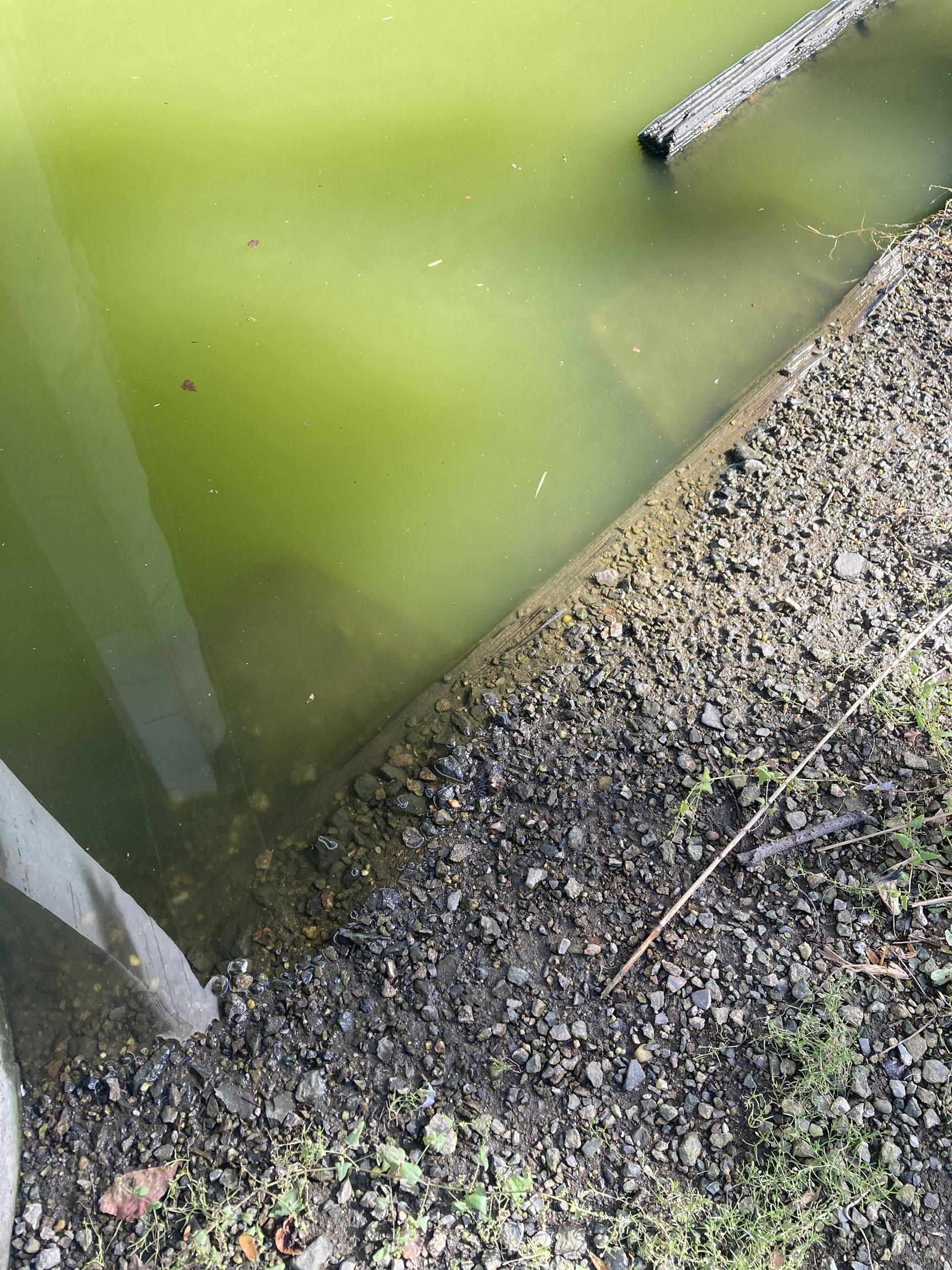
The waters underneath the Van Wyck Expressway are putrid green and pitifully slow-moving. But they were not always so. The creek was once part of a tidal wetland, supporting an ecologically rich mix of plant and animal life. With the arrival of industrialization, the area began its transformation. The marsh became a coal dumping ground for the Brooklyn Ash Removal Company (site of the infamous “valley of ashes” in The Great Gatsby). Then, the waterway was diverted underground through two 2,400-foot-long culverts for the 1939 World’s Fair, before being completely covered in order to create surface area for the pavilions and exhibitions of the Fair’s 1964 edition.
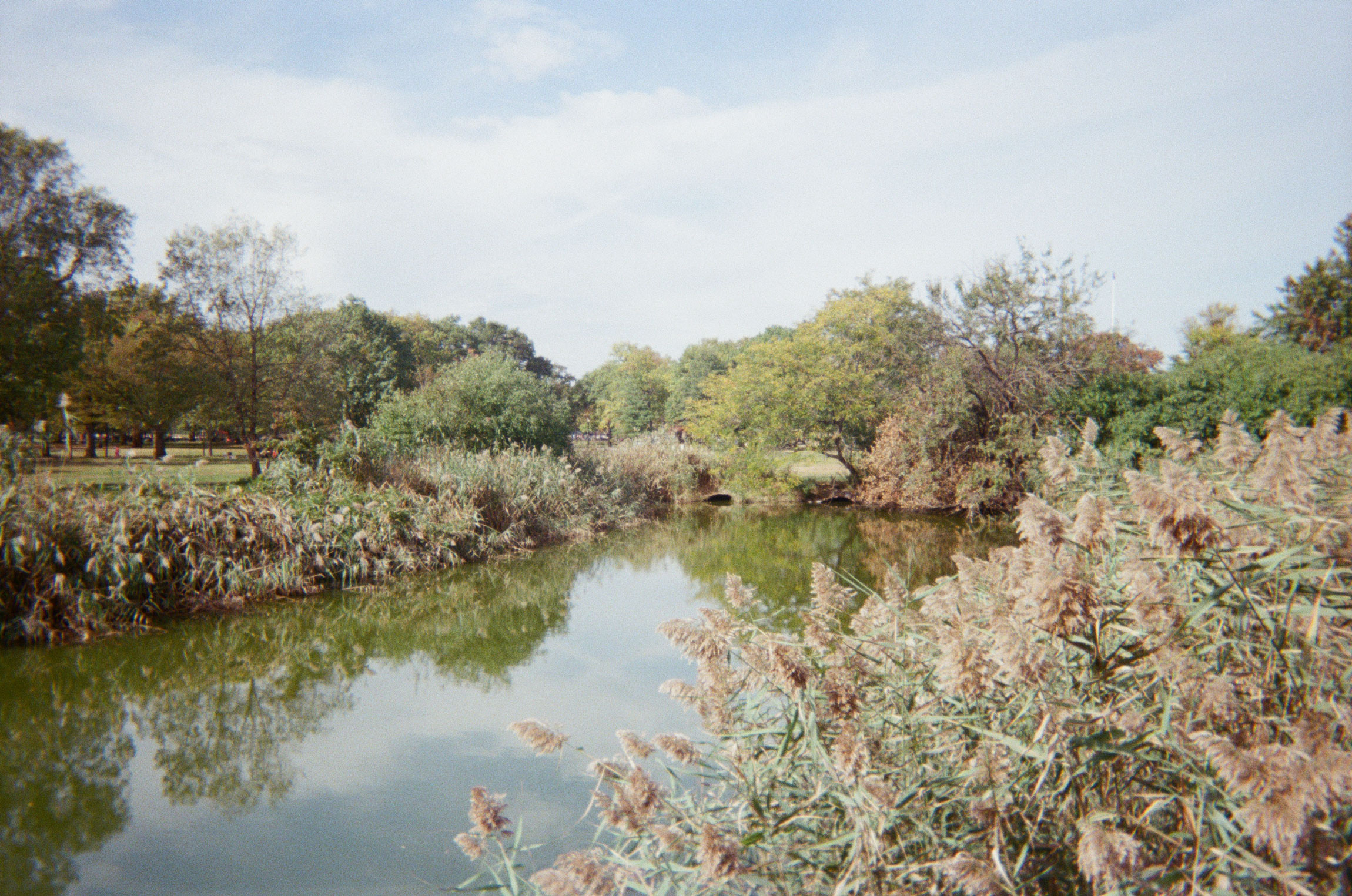
Today, you can still catch a glimpse of Flushing Creek under the Van Wyck Expressway, where it briefly flows from man-made Meadow Lake before absconding below ground. From here on, you’ll have to rely on a felt sense of the water under Flushing Meadows Corona Park. Walk the creek bed across an expanse of lawn and a soccer field, stopping at the core of the park, where the water briefly makes another appearance to fill the base of the Fountain of the Planets. Walk the circumference of the fountain until you find the two half-moons where the creek is forced back underground, traversing under soccer fields and squeezing through a golf course to resurface at the Tide Gate Bridge, where it is finally released to continue into Flushing Bay.
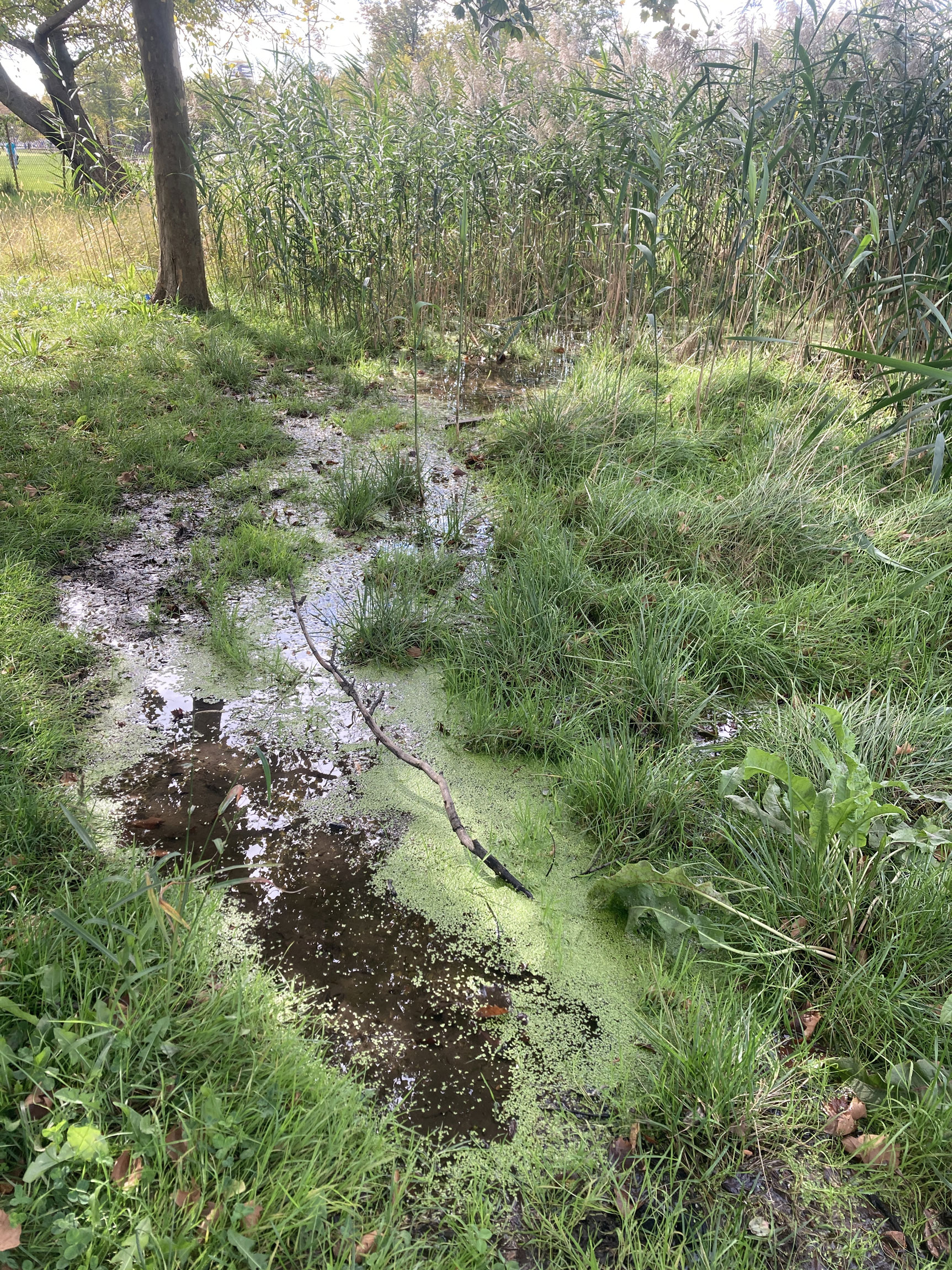
Thwarted from its natural course, even the slightest bit of rainfall can result in water from Flushing Creek overflowing and pushing into the park, which rests in a bowl at seven feet above sea level. With nowhere to go, the water sits stubbornly for days, leaving fields flooded, sidewalks impassable, and soccer pitches unusable. The creek, it seems, is attempting to reclaim its original form. And after decades-long advocacy from community groups, its vision might soon be realized.
This process is called “daylighting.” The Waterfront Alliance, in collaboration with the New York City Parks Department, is proposing to bring buried portions of Flushing Creek to the surface. This would involve excavating the earth along the path of the culverts and building a new channel through which the restored creek would flow — literally bringing the water to the light of day. The centerpiece of the restored creek would be the Fountain of the Planets. Using the existing circular layout as a template, the fountain would transform into a wetland with native habitats to support local wildlife. Flushing Creek would flow on either side of the wetlands, allowing for increased water drainage, storage, and quality. To bring this vision to fruition will require technical analysis, coordination with city and state agencies, community engagement, and up to $500 million in funding.
Flushing Meadows Corona Park is filled with vestigial structures of a once-imagined utopian future; the remnants of the World’s Fairs define the park’s layout and landmarks. But the present-day utopia is found in the people who use the park, who seamlessly coexist amongst varied cultures and languages. Here, you’re as likely to stumble across a Día de los Muertos celebration as you are to pick up a pandesal from a Filipino pop-up. With this proposal’s realization, the park’s ecology would match its users, a diverse landscape that brings together new and old, creating the conditions for vibrant life to thrive.
Daylighting might also provide another form of restoration, one that orients us towards Queens as a site of the future. Through daylighting, the borough might once more carry the radical imagination of our city, not through industry or commerce, but by returning to its native technology: the water itself. Once buried by the push for modernity, the climate-resilient solutions we seek lie buried beneath our feet.
The views expressed here are those of the authors only and do not reflect the position of The Architectural League of New York.
Dispatches from the New City Critics fellows: new, fearless, and diverse voices to challenge the ways we understand, design, and build our cities.
Comments